
This crisis demands more than individual correction—it calls for systemic reform.
When a simple, curable infection is allowed to become chronic, deforming, and financially ruinous for the poor, the failure is moral as much as medical.
Weak regulation, permissive markets, neglected diagnostics, and the normalisation of irrational drugs together constitute structural violence against those with the least capacity to bear it.
Reform must mean enforcing drug regulation, strengthening diagnostic skills at the primary-care level, protecting public health supply chains from commercial capture, and centring care on cure rather than profit.
Anything less is a quiet acceptance of preventable suffering.
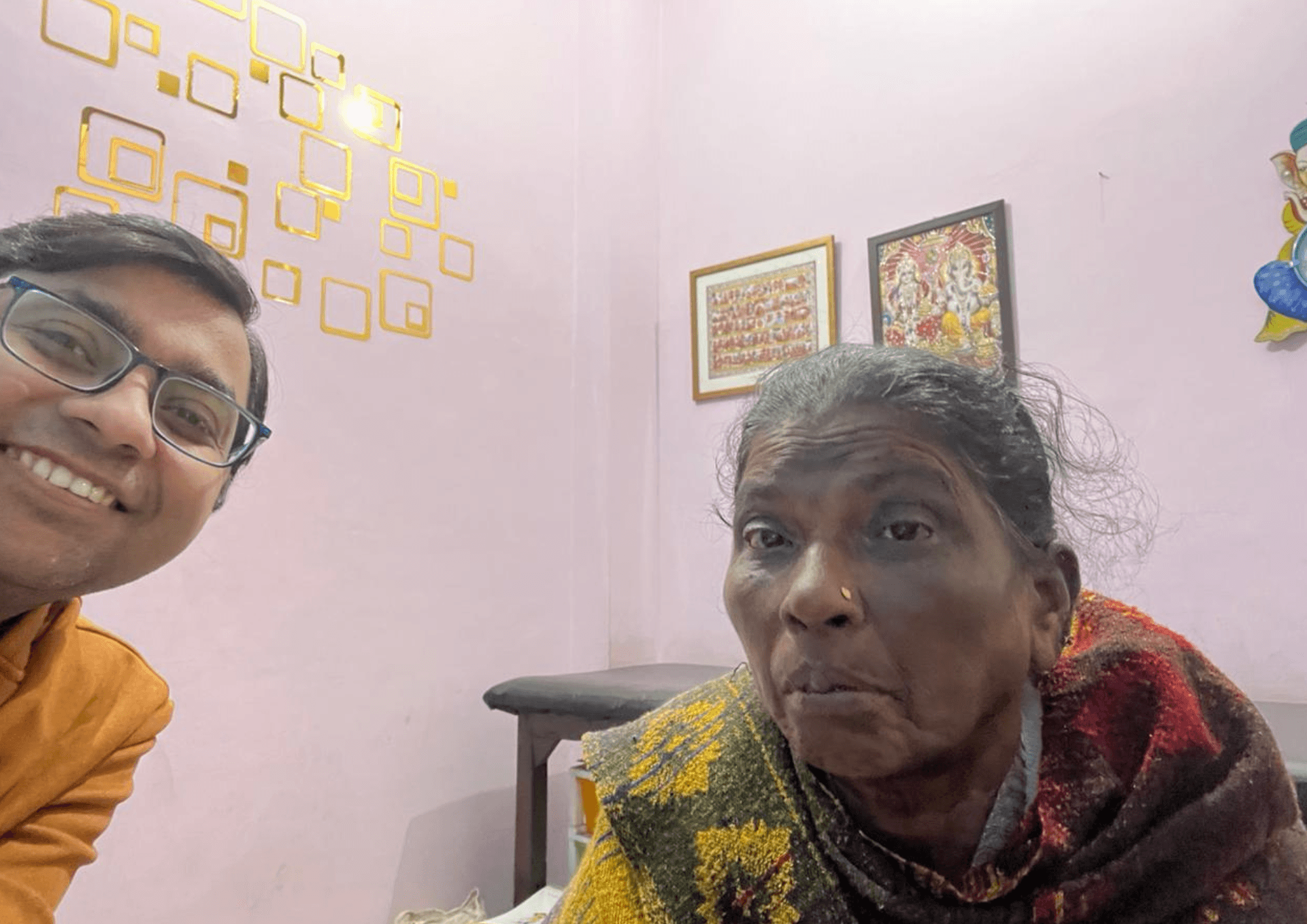
This is a picture of the lady with leprosy from Bihar after she finally recieved the correct diagnosis and treatment. A combination of good clinical acumen and a negative fungal microscopy saved her from longterm suffering from the disease, side effects of steroids, shame as well as several thousand rupees in out of pocket expenditure.
Her story illustrates why healthcare system reform must happen.
(Photo credits of this picture: Dr Abhitesh Tripathi, DNB Family Medicine, working in Gopalganj, Bihar)
Graphic by Christianez Ratna Kiruba