In the Multidimensional Poverty Index, poverty is determined using fixed cutoffs. Each of the twelve indicators has a threshold that defines deprivation, and a household is classified as multidimensionally poor only if it is deprived in at least one-third of the weighted indicators. This statistical boundary decides who is counted and who is left out.
Seen through this lens, a family where every member is obese would be classified as non-deprived in health, as their BMI won’t fall in the underweight category. The same family with a bank account but no money in it, an electricity connection without power, an LPG cylinder they cannot afford to refill, a nearby water source that works only a few days a week, and a pucca house built through high-interest debt would still be marked as non-deprived in living standards.
If the children have completed the required years of schooling but gained little learning or skills that can provide them with meaningful employment, the family would also be considered non-deprived in education. On paper, they are not poor. In reality, their lives tell a different story.
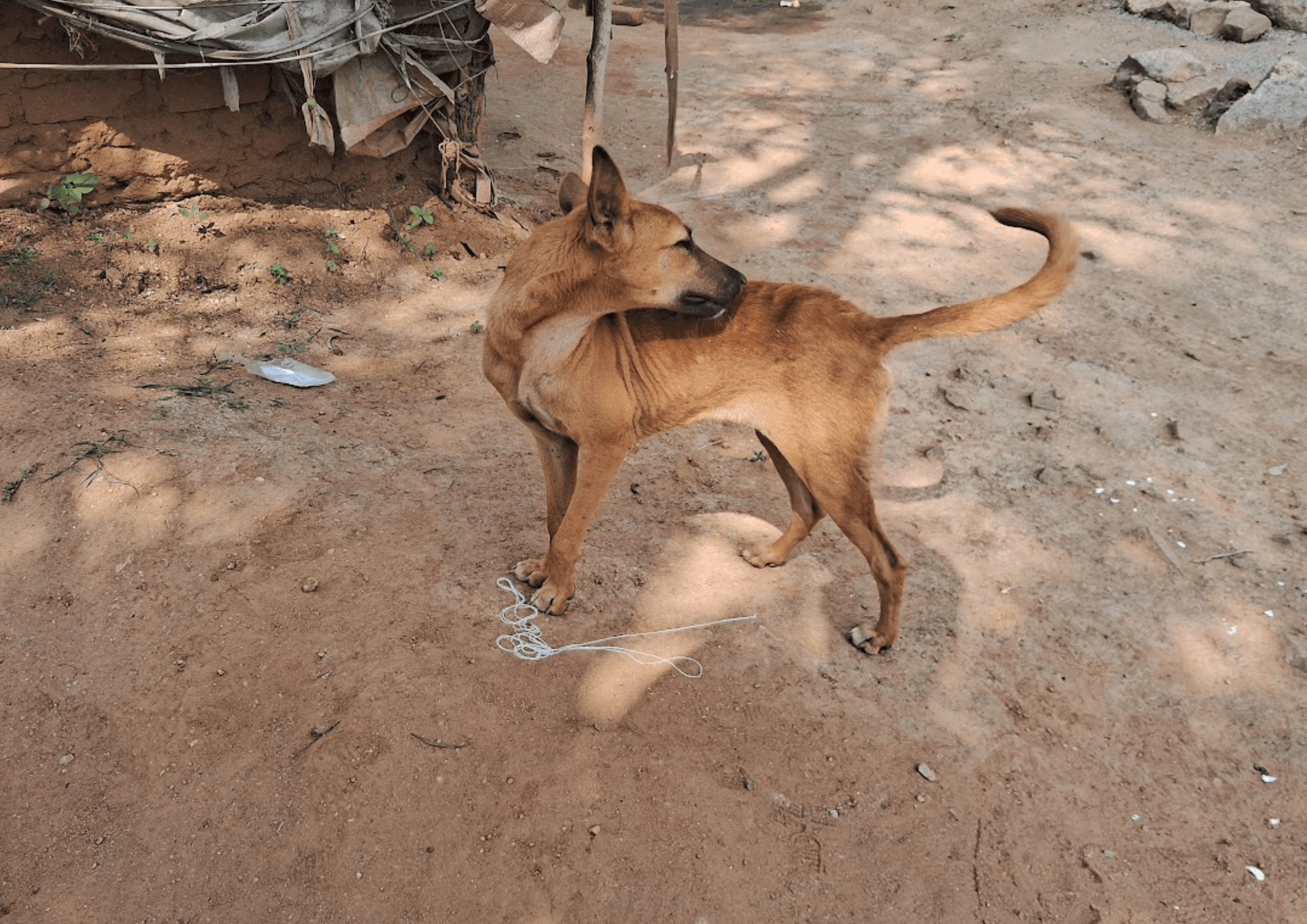
As we were leaving the hamlet, a friend made a remark that captured this disconnect perfectly: “If you want to understand health and poverty in a community, don’t look at the data, look at the condition of the dog that lives there.”