
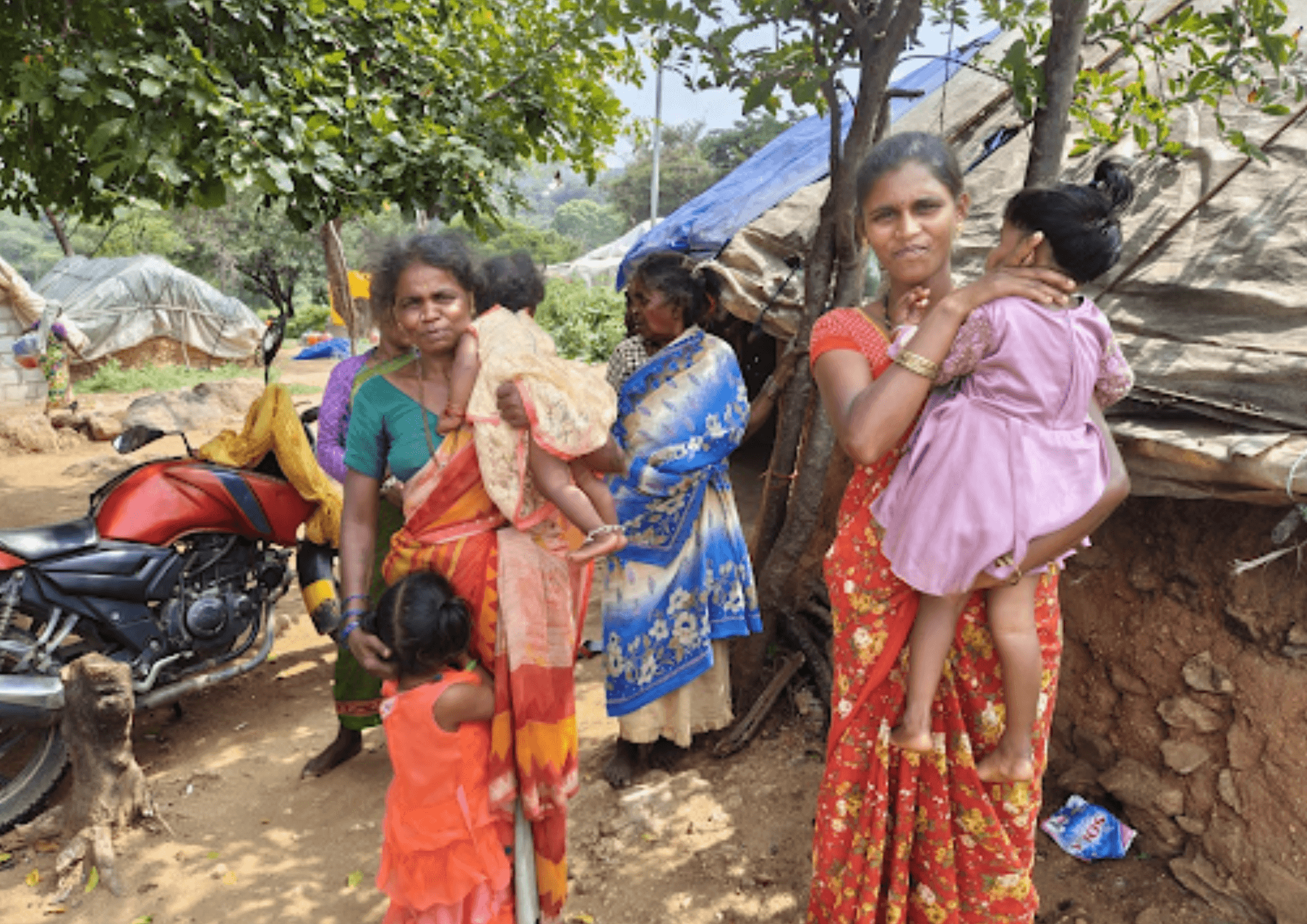
India’s national Multidimensional Poverty Index includes antenatal care as an indicator, signalling an important recognition of maternal health. On paper, counting Antenatal Care (ANC) visits suggests monitoring, safety, and access to care during pregnancy.
But the indicator records only whether a minimum number of visits occurred, not whether the care was timely, appropriate, or adequate. During fieldwork, the authors met a household where both a 45-year-old woman and her 22-year-old daughter-in-law had one-year-old children. Although both met the ANC criteria, their pregnancies carried vastly different medical risks.
The indicator did not capture high-risk pregnancies, age-related complications, or access to specialised care. By reducing maternal health to a checklist, the MPI risks hiding deep inequalities in the quality of care women actually receive.