
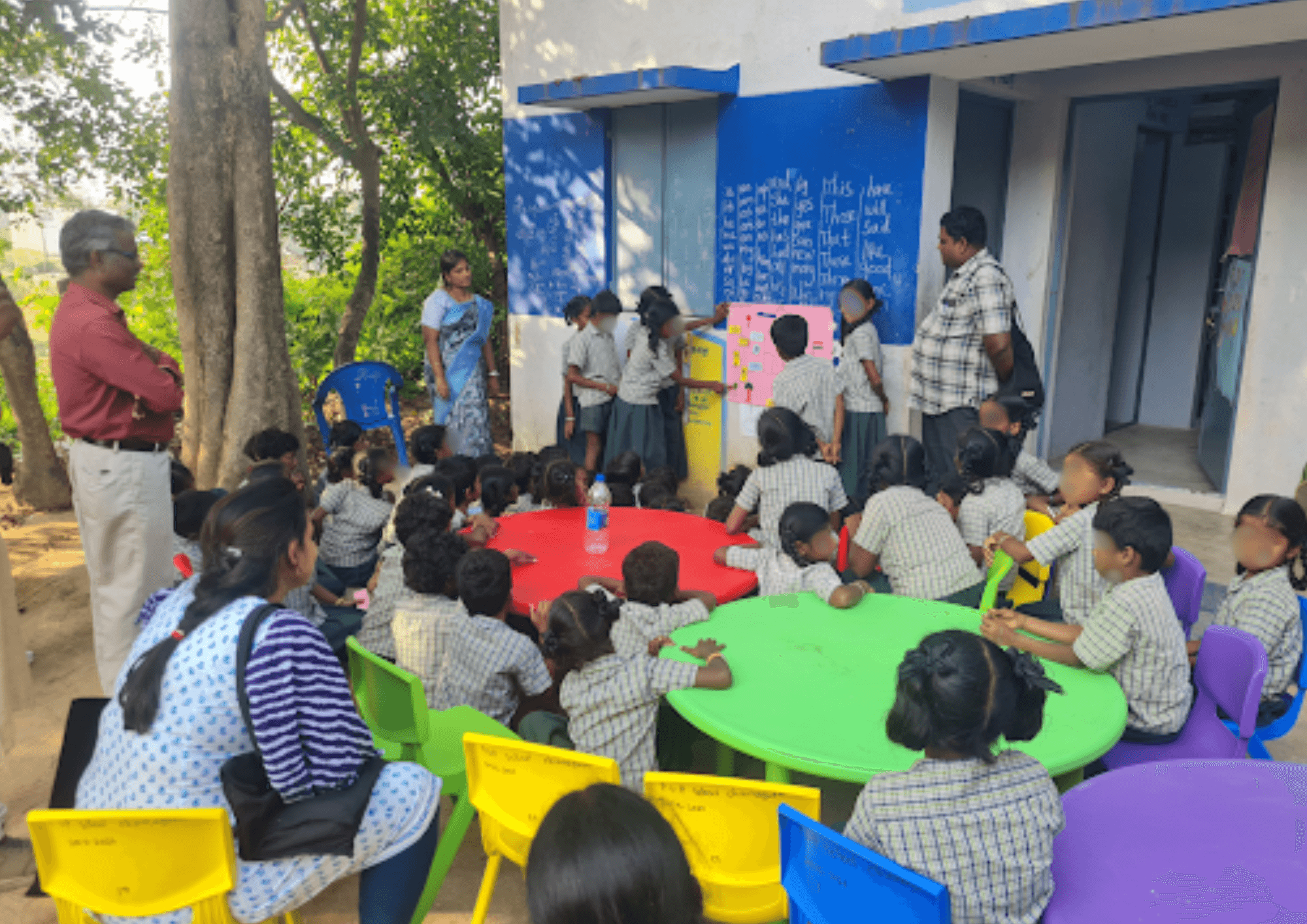
The education indicators in the Multidimensional Poverty Index examine whether adults have completed at least six years of schooling and whether all school-age children are enrolled and attending school. A household is considered deprived if no adult has reached this basic level of education or if even one child between 6 and 14 years is not in school. These indicators aim to capture barriers to literacy, learning, and future opportunities.
However, these measures focus only on the presence or absence of schooling and do not consider the quality of education received. Completing six years of schooling does not guarantee functional literacy, critical thinking, or skills needed for employment.
Similarly, counting children as “non-deprived” simply because they are enrolled ignores the well-documented challenges within India’s public school system. Many schools operate with shortages of teachers, have overcrowded spaces, or operate with inadequate infrastructure, all of which constrain meaningful learning.
The MPI also does not account for skill development, vocational training, or pathways to employability, leaving critical dimensions unexamined. Gendered dropout patterns and caste-based exclusion also remain invisible in MPI’s education metrics.
As a result, the MPI may overestimate the educational well-being of households while overlooking the deeper structural issues that limit real learning and future livelihood opportunities.
India’s withdrawal from the Programme for International Student Assessment (PISA) survey in 2025 further highlights this concern. PISA assesses the mathematics, reading, and science competencies of students aged 15 years to meet real-life challenges. India last participated in this assessment in 2009, when it placed 73rd among 74 participating countries, ranking just above Kazakhstan.
Since then, India has not participated in the survey citing “cultural disconnect” with the survey. Though the government-run National Achievement Survey (NAS), and the independently conducted Annual Status of Education Report (ASER) surveys assess learning competencies in India, studies have questioned their reliability citing possibility of inflated scores.