
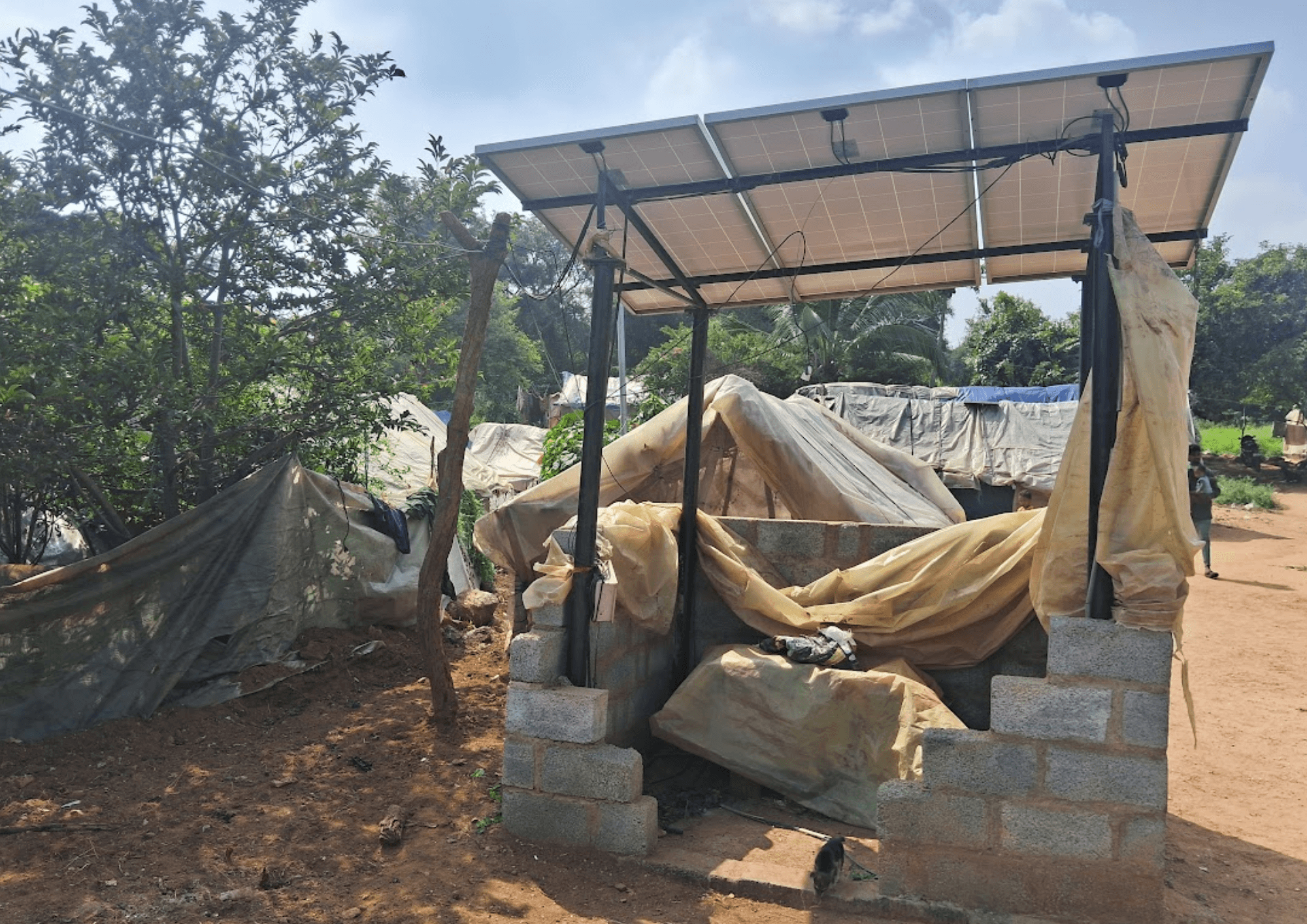
In the Multidimensional Poverty Index, access to electricity is measured simply by whether a household is connected to a power source. Lack of electricity affects children’s ability to study, limits access to information, and compromises safety and daily life.
In the village the authors visited, electricity was officially available through a solar panel installed using corporate social responsibility (CSR) funds. Over time, the system stopped working. The CSR funding covered installation but not maintenance, and the villagers lacked the resources to repair it. As a result, electricity existed in official records and infrastructure, but not in everyday use, highlighting how one-time provisioning creates the illusion of access while masking ongoing energy deprivation.