She Inherits Silence
A poem that beautifully captures the lived reality of women who are told they are empowered but are quietly having to endure violence within their households.
She inherits silence
the way others inherit gold—
passed down quietly,
wrapped in warnings,
stitched into bedtime stories:
Don’t go out late.
Lower your voice.
Adjust.
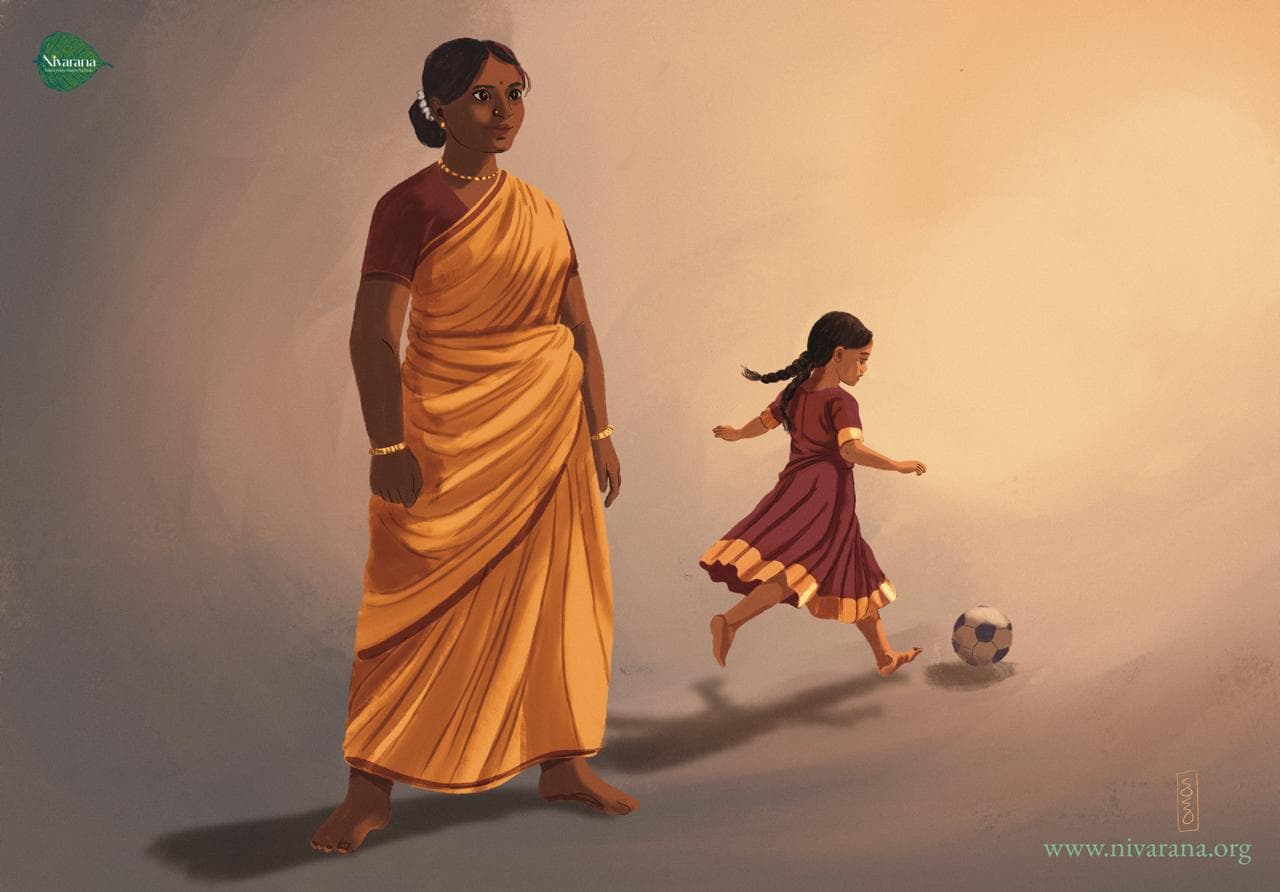
Her grandmother swallowed bruises
because FIRs were for men with power,
not women with honour to protect.
Her mother learnt to negotiate pain—
compromise dressed up as survival,
fear renamed family reputation.
her story waits in long queues—
and questions that bruise again.
as if justice checks dress codes.
Equality is written in textbooks,
but her body still remembers
what the law forgets to feel.
She is told she is empowered now,
because she works, earns, votes—
yet her safety is conditional,
her pain always needing proof.
Names violence without apology.
Refuses to carry silence forward.
not by forgetting trauma,
where daughters inherit dignity,
Intergenerational trauma and gender-based violence are often normalised and quietly endured. Through my work in public health and palliative care, I repeatedly witness how women are taught to negotiate pain, protect family honour, and remain silent even in the face of systemic injustice.
She Inherits Silence was written as a response to these lived realities—where laws exist, yet empathy is missing, and where women are told they are empowered while their safety remains conditional. This poem is both a reflection of what has been inherited and a refusal to pass that silence forward.
Edited by Christianez Ratna Kiruba