Aarav was a seven-year-old boy from a small village in rural India. His mother brought him to our community oral health camp because he often complained of pain while eating and was unusually irritable at home. When I saw him, his frail body, sunken cheeks, and weak, discoloured teeth were unmistakable signs of chronic malnutrition.
Aarav’s family lived in extreme poverty. His father earned a meagre daily wage as a labourer, and his mother did odd jobs; yet their earnings barely covered basic needs. Fresh fruits, vegetables, and protein-rich foods were rare luxuries. Most of their diet consisted of calorie-dense food items which are nutritionally inadequate.
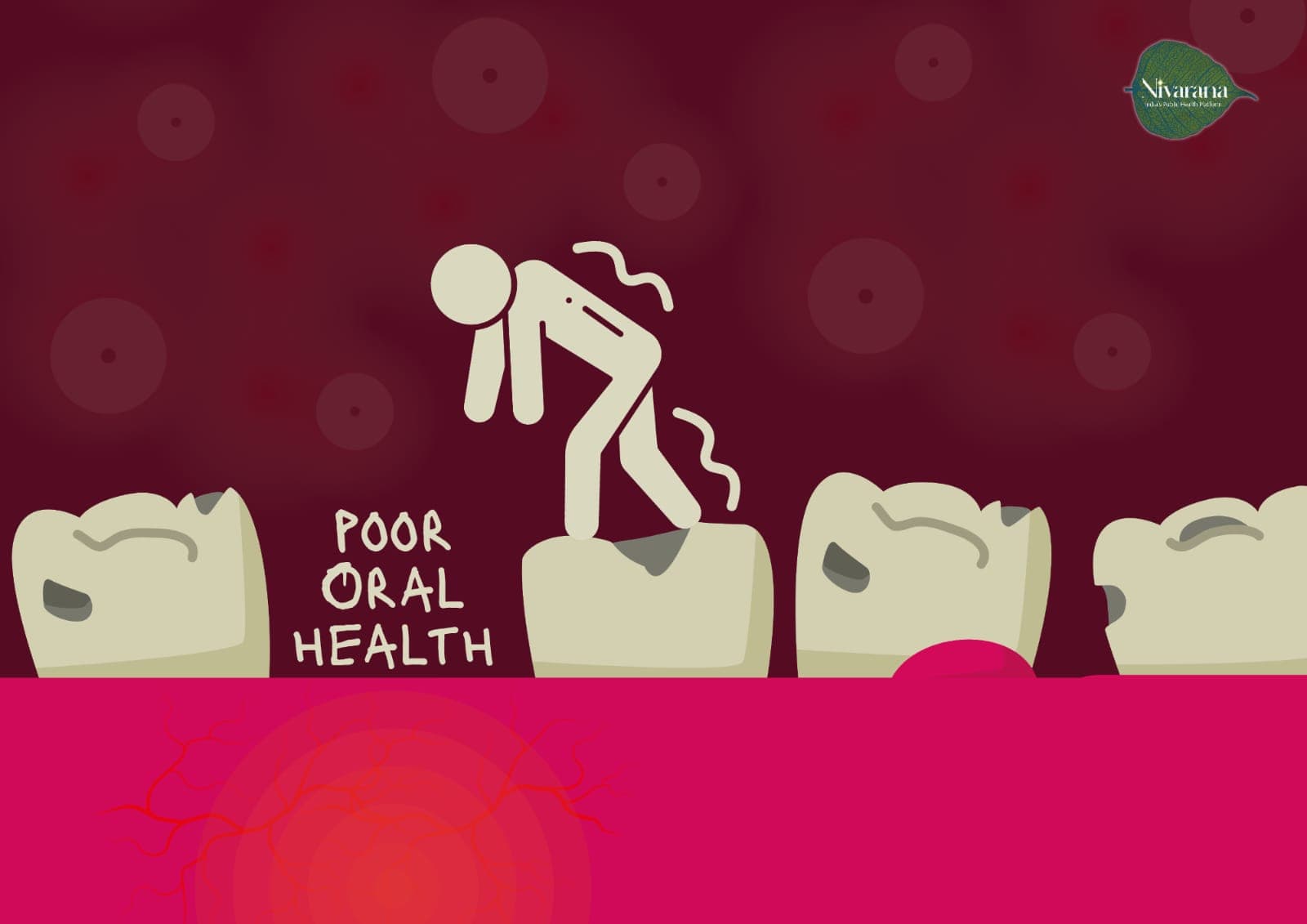
The consequences were self-reinforcing. Aarav’s poor nutrition had weakened his teeth and gums, causing dental pain that made eating even small amounts of food difficult. As a result, he avoided protein-rich and fibrous foods, further worsening his malnutrition. The malnutrition, in turn, compromised his immunity and oral tissues, making him more susceptible to dental infections.
School attendance suffered because of pain and illness, limiting his ability to learn and eventually undermining future productivity. The family’s poverty made access to dental care impossible, and untreated dental disease only reinforced a vicious cycle in which poverty led to reliance on nutrient-poor foods, which contributed to malnutrition. This, in turn, resulted in poor oral health, further worsening nutritional status, compromising growth, education, and overall health, and ultimately deepening poverty.
Aarav’s story reflects the lived reality of millions of Indian children. His story reveals how poverty, malnutrition, and oral disease form a vicious cycle that sustains ill health across generations. India’s National Oral Health Survey (2019) estimates that over 60% of children aged 5-15 years suffer from dental caries, while periodontal disease affects nearly 85% of adults. According to the World Health Organization (WHO) Global Oral Health Status Report (2022), almost 3.5 billion people globally are affected by oral diseases, nearly half of the world’s population, with three-quarters of those cases occurring in low- and middle-income countries. These taggering figures are not merely about dental neglect, they reflect deep social inequalities tied to food security, income, and education.
The Poverty– Nutrition Trap
In India, over 10% of the population lives on less than US$2 a day. Among the poorest households, 52% of children are stunted, compared to just 22% in the wealthiest quintile, reflecting how economic deprivation translates directly into nutritional inequity. This entrenched cycle of poverty and malnutrition forms the foundation upon which other health challenges, including oral health problems, build. These statistics throw light on how poverty constrains access to nutritious foods and escalates oral disease fuelling the feedback loop that traps children in cycles of malnutrition and disease.
How Poverty and Oral Health Reinforce Each Other
Episodes of malnutrition in early childhood, particularly deficiencies in calcium, phosphate, and vitamins A, C, and D, can increase susceptibility to dental caries through several mechanisms, including defects in tooth formation (odontogenesis), delayed tooth eruption, and alterations in salivary gland function. These nutritional deficiencies can lead to hypoplastic enamel, which is more prone to decay, and compromise overall oral health. Studies indicates that malnutrition significantly impacts the oral cavity of children, with studies reporting reduced salivary flow rates as nutritional status worsens.
The interaction between poverty and oral health extends beyond biology, it is a social and economic feedback loop. Low-income families often have restricted access to toothpaste, safe water, and fluoride exposure. They face higher exposure to tobacco, cheap sugary foods, and ultra-processed snacks marketed aggressively in low-resource communities. At the same time, financial insecurity and psychosocial stress reduce health-seeking behaviour and increase susceptibility to chronic inflammation and infection.
When oral pain prevents a child from eating or attending school, or when an adult cannot work because of a dental abscess, the consequences go beyond discomfort. Lost productivity, treatment expenses, and social stigma all contribute to economic loss and intergenerational disadvantage. The WHO estimates that untreated oral diseases lead to billions of hours of productivity loss annually, making them a silent drag on national economies.
How Poverty Limits Access to Oral Health Services
In India, WHO country profiles highlight a high burden of untreated caries in both primary and permanent teeth, driven by poor access to preventive services and unaffordable treatment costs. Poverty limits access to essential dental services, including preventive care, routine check-ups, and treatment for dental conditions. Families with low income often cannot afford dentist visits, transportation to clinics, or even basic oral hygiene supplies. This lack of access allows minor dental issues to progress into severe conditions, causing pain, difficulty eating, and further health complications.
In India, where over 70% of healthcare costs are paid out-of-pocket, households with low income often struggle to afford medications, hospitalizations, and follow-up care, forcing compromises on basic needs like food, education, and housing. In rural areas, even basic dental treatment such as a tooth extraction can cost a week’s wages for low-income workers, deterring families from seeking timely care. This financial strain not only perpetuates existing poverty but also undermines long-term health and development, creating a self-reinforcing cycle where illness begets economic hardship, and economic hardship begets further illness.
The Biological Bridge
Oral health is an integral component of general health, with shared biological mechanisms and bidirectional relationships. In recent decades, many studies have assessed the potential link between poor oral health and a range of chronic diseases. Chronic periodontal disease triggers persistent systemic inflammation, releasing inflammatory mediators such as C-reactive protein, interleukin-6, and tumour necrosis factor-alpha, which are implicated in the pathogenesis of diabetes, cardiovascular disease, and adverse pregnancy outcomes. Conversely, malnutrition weakens immune function and reduces the resilience of oral tissues, worsening periodontal disease.
The biological mechanisms underpinning these links include chronic inflammation, immune dysregulation, and microbial translocation, which can exacerbate conditions like atherosclerosis, diabetes, and other non-communicable diseases. Evidence also suggests associations between dental caries, tooth loss, and conditions such as cognitive decline, certain cancers, and respiratory infections, pointing to a broader influence of oral health on overall physiological resilience.
Breaking the Cycle: From Vicious to Virtuous
In the context of poverty and malnutrition, this relationship becomes particularly critical. Children like Aarav, who experience nutritional deficiencies and untreated dental disease, are not only trapped in a cycle of malnutrition and oral health problems but may also face heightened vulnerability to systemic illnesses. By understanding oral health as a key determinant of general health, we can better appreciate how socioeconomic disadvantage amplifies both local (oral) and systemic disease burdens, creating cascading health and social consequences.
Policy and programmatic responses to break the cycle
Tackling this cycle demands coordinated, inter-sectoral action. Treating oral disease alone is not enough; prevention must be woven into broader health and social development strategies. The Common Risk Factor Approach, endorsed by WHO, recognizes that oral diseases share risk factors with major noncommunicable diseases (NCDs) such as diabetes, cancer, and heart disease, particularly tobacco use, unhealthy diets, excessive sugar consumption, and harmful alcohol use. To transform this vicious cycle into a virtuous one, policies must target both prevention and equity through these five interconnected strategies
Integrate Oral Health into UHC and Primary Care
WHO advocates for inclusion of essential oral health services within UHC packages and for integration with NCD prevention and primary care. Integration reduces fragmented care, leverages existing platforms (maternal and child health, diabetes clinics), and can improve early detection and prevention.
Integration helps utilize existing infrastructure and human resources efficiently, reducing the burden on tertiary care. For example, incorporating oral examinations into routine primary care visits can enable early identification of oral lesions, caries, and periodontal conditions that often go undetected until advanced stages.
Address Social and Commercial Determinants
Improving oral health outcomes demands addressing upstream determinants, including the marketing, availability, and affordability of unhealthy products. Fiscal and regulatory policies can significantly influence health behaviours. Importantly sugar taxation can reduce consumption of sugary beverages which is a leading contributor to caries and obesity. Furthermore, regulating marketing of sugary foods to children, improving food environments, and ensuring access to safe, fluoridated water can collectively reduce inequalities and protect vulnerable groups.
However, these measures often face strong commercial resistance. Food and beverage industries argue that such policies limit consumer choice and threaten employment. Nonetheless, global evidence supports their effectiveness. For instance, after implementing a sugar tax, Mexico observed a substantial decline in sugary drink purchases, particularly in low-income households. Similarly, the United Kingdom’s Soft Drinks Industry Levy not only reduced sugar intake but also encouraged manufacturers to reformulate products.
Despite controversy, these fiscal interventions have proven to be cost-effective, equitable, and sustainable public health strategies that can curb both obesity and dental caries while generating revenue for preventive health initiatives.
Community-level Prevention and School Programs
School-based fluoride varnish, supervised toothbrushing programs, community oral-health education and maternal counselling have shown effectiveness in reducing childhood caries when sustained and well-implemented. These low-cost, preventive interventions can be prioritized in resource-constrained settings to reduce early inequities.
Evidence-based preventive measures such as fluoride varnish applications, pit-and-fissure sealants, supervised toothbrushing initiatives, and maternal oral health counselling have demonstrated significant reductions in childhood caries when implemented consistently.
Yet, in India, the oral health system remains predominantly curative rather than preventive. A fluoride application or sealant could have prevented early decay, enabling children to chew nutrient-rich foods and maintain healthy growth. The reasons for this gap are multifactorial. Firstly, Economic incentives in private practice favour treatment over prevention, public health infrastructure lacks sufficient dental staff and finally primary care providers are rarely trained or equipped to deliver preventive dental services.
Shifting toward a preventive model requires reforms in dental education, financing, and health policy to promote early, community-based interventions.
Financial Protection and Workforce Models
Reducing out-of-pocket payments for essential dental care, expanding community dental workforce (dental therapists, hygienists), and task-sharing with primary care can improve access and reduce catastrophic spending. Economic evaluations suggest preventive investment yields net gains through reduced treatment costs and productivity losses.
To address this, governments must subsidize essential dental care through UHC schemes or social insurance. They must expand the oral health workforce by training and deploying dental hygienists, therapists, and community oral health workers. They must also adopt task-sharing models that enable primary care workers to deliver basic preventive services such as fluoride application and oral hygiene counselling.
Economic evaluations consistently show that investments in preventive oral health yield high returns, reducing treatment costs and productivity losses over time.
Strengthening Information Systems
Robust data systems are essential for planning, monitoring, and evaluating oral health programs. Integrating oral health indicators into national health information systems allows for better assessment of disease burden, service coverage, and inequalities.
India can build on WHO’s Oral Health Country/Area Profile Project (CAPP) framework to develop national registries for dental caries, periodontal disease, and oral cancers. Reliable data would guide policy design, enable timely interventions, and ensure accountability across sectors.
Turning Policy into Practice: Lessons from Global Success
International experiences demonstrate that comprehensive strategies can yield long-term benefits. In 1987, a survey in Japan found that people at age 80 had only about five natural teeth on average, causing malnutrition and poor health in the elderly. The 8020 Campaign launched in Japan aimed to ensure individuals retained at least 20 of their teeth by the age of 80 to uphold their nutritional and social well-being.
The campaign’s success underscores that oral health promotion must begin early, be sustained throughout life, and involve multiple sectors, including education, food, and labour. Adopting similar holistic strategies in India could not only improve oral health but also strengthen national progress toward the Sustainable Development Goals (SDGs), especially SDG 3 (Good Health and Well-being) and SDG 10 (Reduced Inequalities).
Transforming the vicious cycle of poverty, malnutrition, and poor oral health into a virtuous cycle of wellness requires political commitment, intersectoral collaboration, and sustained investment. Policies must simultaneously target prevention, financial protection, workforce expansion, and social equity.
By embedding oral health into primary care and national development agendas, countries can break generational cycles of disease and poverty, ensuring that oral health becomes a foundation, not a barrier, to overall well-being.
Edited by Christianez Ratna Kiruba
Image by Janvi Bokoliya