#SayZero: New WHO Brief Offers Hope for People Living with HIV
WHO’s “Undetectable = Untransmittable” message could transform HIV care by reducing stigma, promoting ART adherence, and showing that viral suppression prevents sexual transmission.
HIV has been shrouded in stigma ever since its sexual routes of transmission were established. It has proved to be a public health challenge for practitioners and policymakers. From abandonment and neglect to loss of employment, HIV has affected the lives of people in several ways over the years. It has also affected people from sexual and gender minorities as well as sex workers (more so in India, as sex work is criminalized in India).
To date, gay men are not allowed to donate blood, owing to the assumption that they are likely to be carriers of HIV. There is often a moral judgment attached to HIV, leading to hesitation and delay in seeking care. The search for cures and vaccines has been ongoing for decades, and for a long time, they were rather elusive. This seems to be changing now.
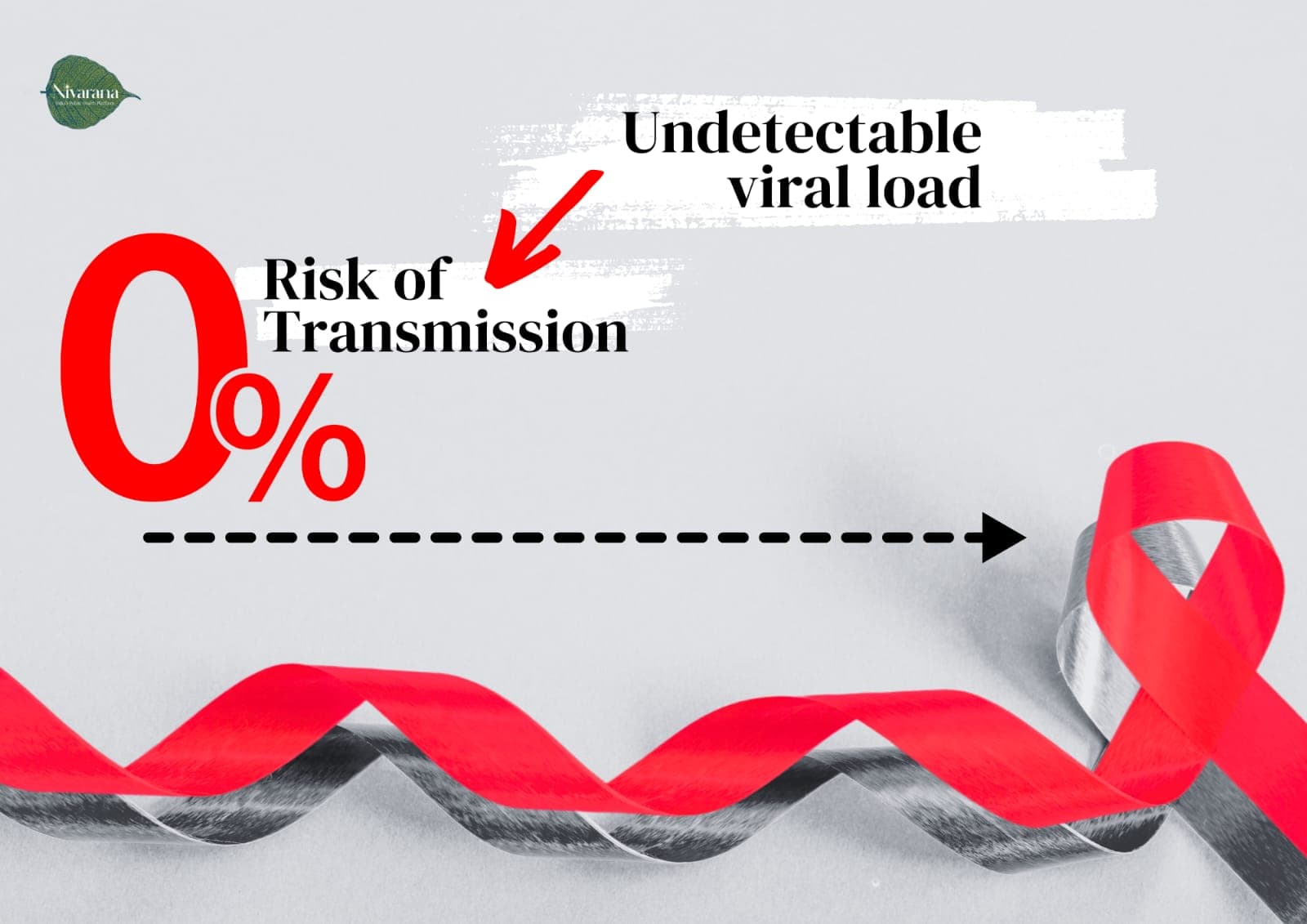
At the recently held International AIDS Society Conference, in Brisbane, Australia, the WHO presented their policy brief, based on the study published in The Lancet, with one clear message - #SayZero. This is a call for doctors and other health workers to state that the risk of transmission of HIV when the viral load, i.e., the amount of virus per milliliter of blood, is undetectable is zero.
‘Undetectable=untransmittable’ has been part of HIV messaging for some years now. However, this is the first time WHO has said that if viral load is maintained at an undetectable level, there is “zero risk” of transmission. This clear message from WHO aims to reduce the stigma surrounding HIV and also promote adherence to treatment.
Till now, it was known that no transmission of HIV happens when the viral load is less than 200 copies/ml of blood. However, such accurate testing is available mostly in high-income countries. In resource-limited settings in low- and middle-income countries, identifying such low levels of viral loads is not feasible due to the low accuracy of the tests used.
However, this study successfully addresses this barrier by showing that transmission of HIV is absent when the viral load is less than 600 copies and exceedingly rare when it is less than 1000 copies. These levels of viral load can be easily picked up with the available tests in resource-limited countries.
“Undetectable=untransmittable” means that if the viral load in a patient living with HIV is undetectable in any WHO-certified viral load testing kit, there is no risk of transmission of HIV from that patient to another person, even after sexual contact. However, there is now strong evidence to believe that the viral load need not be undetectable, but even if it is below 1000 copies/ml of blood, the chances of the infection being transmitted are negligible.
Previously, HIV-positive women were often discouraged from getting pregnant or breastfeeding the newborn, as it was widely believed that this would transmit the virus to the child. However, current evidence suggests that if the mother maintains suppressed viral load levels during the pregnancy, the risk of vertical transmission is as low as 1%, i.e., only 1 in 100 pregnant women are at risk of passing HIV to their child.
It is important to remember that to maintain an undetectable viral load, regular ART (antiretroviral therapy) medications need to be taken. If medicines are not taken regularly, it can lead to a sudden increase in the viral load and thus an increase in the chances of transmitting the disease.
Potential impact of this finding
Now that the WHO has given a clear message that undetectable viral loads cannot be sexually transmitted, it is important to emphasize the importance of ART medicine and viral load monitoring. Viral load suppression is achievable if ART medicines are followed and adhered to. The current dolutegravir-based regimen is considered to be highly effective, with little risk of drug resistance or treatment failure if taken regularly.
In India, the National AIDS Control Organization provides free testing, counseling, medicines, and monitoring to all the patients registered in the National AIDS Control Program (NACP). NACO has been following the “Treat All” policy since 2017, in which every person diagnosed with HIV is eligible for ART initiation on the same day if no clinical contraindications like TB, or any other opportunistic infections are present.
The new counseling guidelines for ART counselors focus on the delivery of the crucial message of “undetectable=untransmittable” along with the importance of adherence. This also means that we need to ensure the availability of ART for all, which has been threatened in recent times.
Last year, there were protests by people living with HIV (PLHIV) against the shortage of pills, which led to PLHIV having to come frequently to collect pills, instead of the usual once a month. Now that we know with more certainty than ever that adherence to appropriate medications can stop the transmission of HIV, it is even more essential to ensure regular access to these medications.
Viral load suppression is the goal of ART, which helps HIV patients live long and healthy lives. WHO’s endorsement of “undetectable=untransmittable” helps in emphasizing that ART is not only helpful for the patient but for others as well, as it helps stop transmission of the disease. This could ultimately put an end to the stigma and help with the inclusion of people living with HIV in the community.
Hence, this policy brief by WHO can be transformative for people living with HIV. This will encourage them to maintain a suppressed viral load and reduce anxiety around transmitting the disease to sexual partners. Plus, it will promote safe conception and promote better care of children born to mothers with HIV infection. It also offers hope that the promise of safety will translate to the end of stigma.
However, it is important to make this update available to the general public in order to facilitate a change in attitude toward this disease. Even as science progresses, it is important that society evolve with it.
Edited by Parth Sharma
Image by Janvi Bokoliya