
India’s healthcare system stands at a critical juncture. Like many low- and middle-income nations, a diverse and expanding private sector dominates India's healthcare landscape. In the last decade, this sector has undergone rapid corporatisation. Large private hospital chains have emerged and taken over medium-sized and charitable hospitals.
While private healthcare has undeniably expanded access to advanced medical facilities for millions, the unchecked commercialization of the sector has given rise to serious concerns. Reports of exorbitant charges, opaque and commercially driven unscientific treatment practices, and denying basic patient rights have become alarmingly frequent. The darker side of the system which is driven by profit over care is evident more than ever now.
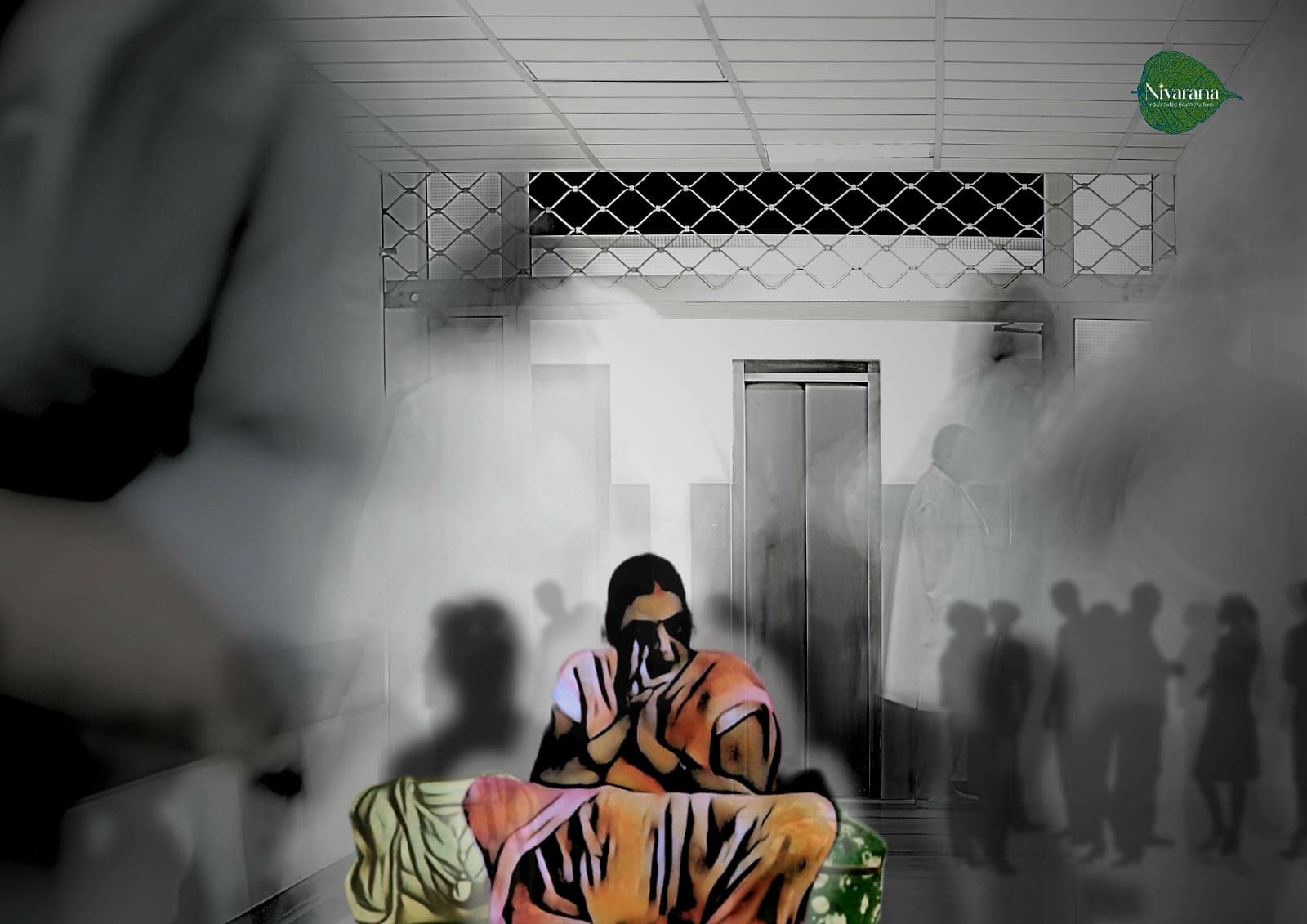
In June 2024, a family in Mumbai faced a distressing situation when a private hospital refused to release their relative’s body unless they paid an additional ₹40 lakhs, despite already having paid nearly ₹6 lakhs in medical bills. Desperate for help, they contacted the SATHI (Support for Advocacy and Training to Health Initiative) helpline and were guided on their legal rights, including regulations requiring hospitals to display rates transparently and provide itemized bills.
Armed with this information, the family successfully negotiated with the hospital and secured the release of their loved one’s body without paying the exorbitant amount.
This case exposed two critical issues: first, the likelihood of grossly inflated medical billing, and second, the inhumane, unlawful practice of holding a deceased person’s body hostage that legal awareness could protect from.
The Patients’ Rights Charter, as reinforced by the Clinical Establishments (Registration and Regulation) Act (CEA), mandates transparency in hospital practices. It requires healthcare providers to display rates for all services prominently, issue itemized bills, and ensure that patients or their families are not subjected to unfair financial demands.
The charter also emphasizes the right to dignity, even after death, ensuring that no hospital can withhold a deceased patient’s body over payment disputes. Additionally, all hospitals must have a grievance redressal system with a designated officer to address complaints. If the hospital fails to resolve an issue, patients can escalate their concerns to the district registering authority for further assistance.
These provisions, when effectively implemented under the CEA, can prevent incidents like the one in Mumbai, safeguarding families from undue distress and financial coercion.
The rapid corporatisation of healthcare in India has brought significant concerns to the forefront. For example, cash-for-referral schemes have emerged which involve healthcare providers or diagnostic laboratories giving money or rewards to doctors or others for referring patients. This can lead to unethical practices, unnecessary treatments, and inflated healthcare costs.