On the 20th of July, thousands of citizens marched towards the Parliament as part of a weeks-long protest organized at Jantar Mantar to demand accountability for lapses in the educational system. The march was met with lathi charges and tear gas from the police force. Several accounts of injury and use of disproportionate force have been reported by various media platforms. Many of these accounts of injuries have been witnessed or documented by doctors present at the protest site and at hospitals. By late evening, protestors had regrouped at the original protest site of Jantar Mantar, where activists continue to protest.
As public health workers who have been trained as physicians, the violence meted towards protestors by the state has led to difficult conversations. We alternate between hope at the sight of students uniting and distress at the sight of unrestrained violence against them. As practitioners of critical thinking, we also welcome the dialogue and debate this protest has generated. However, we firmly believe that citizens exercising their democratic rights have a right to protection from physical and mental harm, and must be provided recourse to safety and medical care. This piece is a practical how-to guide, for people at the protest, and for those that seek to help them.
Immediate injury care and first aid
Tear gas exposure:
-
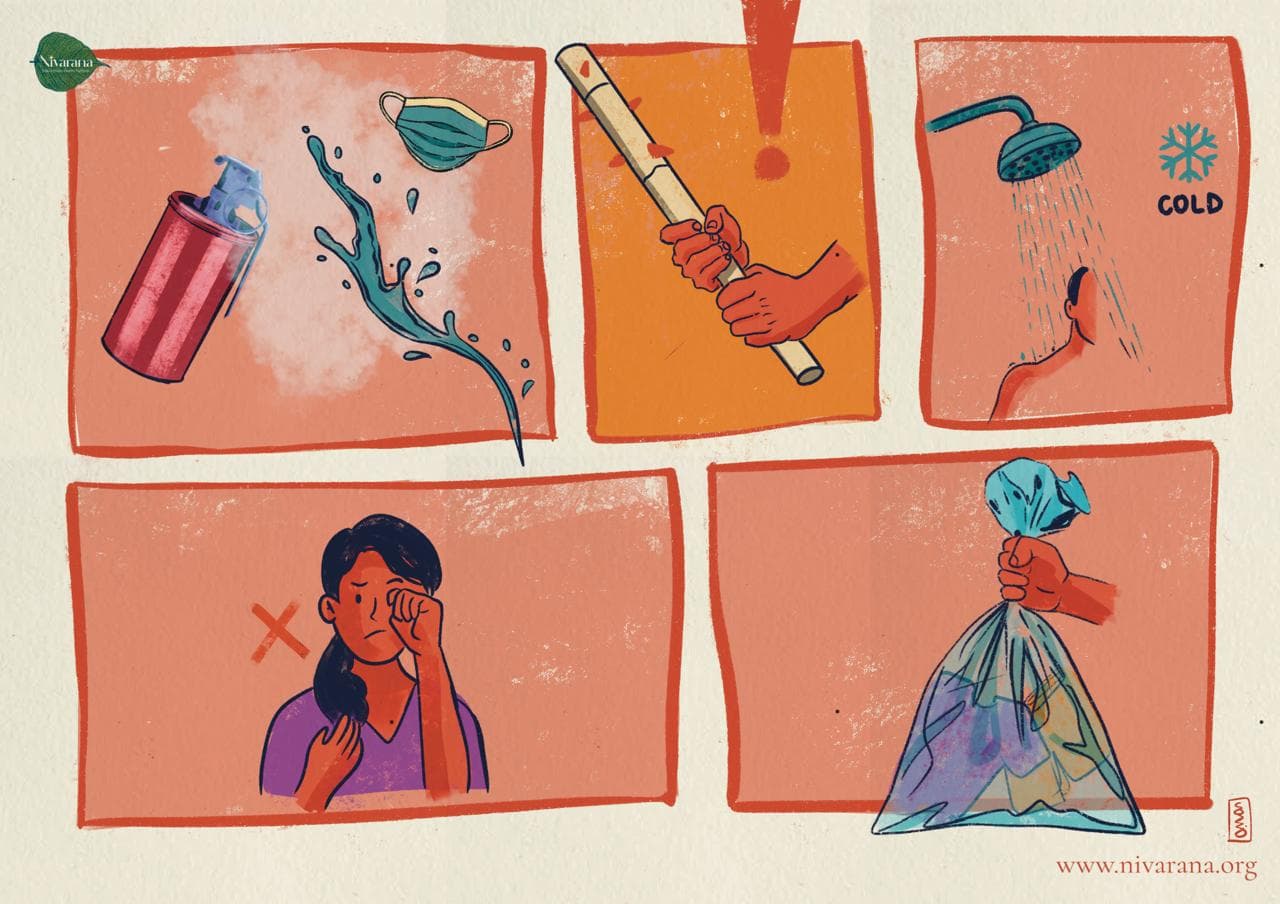
Do not touch, pick up or throw a canister that has just been thrown. Tear gas is released from a chemical reaction in which powder and crystals turn to vapor in a chemical reaction. This reaction causes the canisters to become hot. These hot canisters have been known to explode and cause trauma, even loss of fingers has been documented.
-
Move to fresh air and higher ground if possible, since the gas settles low.
-
Don't rub your eyes- this can spread the irritant and worsen burning.
-
Blink rapidly and let tears flush the eyes naturally, or rinse gently with clean water or saline from the inner side of the eye, tilting the head backwards so runoff doesn't flow into the unaffected eye or back toward the face.
-
Remove and place contaminated clothing in a bag without shaking it out, and shower with cold water.
-
If you experience breathing difficulty, wheezing, or any chest tightness that persists beyond a few minutes, seek medical attention, especially if you have asthma or other respiratory conditions.
Tear gas is a misnomer, tearing and eye irritation is only one of the effects of this chemical weapon. Its health effects have not been studied well and it can have other harmful health effects also. Avoid contact as much as possible; decontaminate at the earliest (by removing and sealing your clothing and taking a shower with cold water).
Lathi (baton) injuries:
-
Blows to the head, neck, or abdomen need medical evaluation even if they don't look severe at first, since internal bleeding and concussions don't always show external signs.
-
Watch for confusion, repeated vomiting, unequal pupils, worsening headache, or drowsiness in the hours after a head strike; any of these means you need emergency care.
-
For limb injuries, immobilize before moving the person if you suspect a fracture. Bruising and soft tissue injury can be managed with rest, ice, and compression, but anything with severe swelling, inability to bear weight, or loss of sensation needs an X-ray.
-
In case of wounds that are bleeding or require stitches, put pressure over the wound and elevate it above the heart to reduce bleeding.
Crush and stampede injuries:
-
When you are in a large crowd, especially if you are in close physical proximity (experts say >5 people per square metre), stay vigilant.
-
If you are bumping into people around you without meaning to, try to locate areas with sparser density of people, and slowly make your way towards these areas.
-
If crowd density increases, remain upright and keep your arms near your chest, and stay away from barriers which can trap you. When in a crush, it is generally advised to move with the momentum of a crowd instead of resisting it.
-
If you were in a crowd crush, watch for breathing difficulty in the following hours, since chest compression during a crush can cause delayed complications.
Other medical problems may also arise at protest sites
-
Seizures
-
Syncope / Fainting
-
Dehydration
-
Hypoglycemia
-
Aggravation of underlying illnesses such a hypertension or diabetes
-
Keeping simple items like biscuits, water can also be very helpful.
Medicolegal documentation
If you're injured, get evaluated at a hospital or clinic and keep the medical record. This is critical, since a medicolegal (MLC) document will note the timing and type of injury. This matters for both treatment and any later government accountability. Photograph visible injuries with a timestamp, if you're able to do so safely. If you're helping someone else, note what happened and when.
Where to go
Government hospitals are obligated to treat emergency injuries regardless of ability to pay or documentation status, and cannot legally turn away someone with an acute injury. Ram Manohar Lohia Hospital and Lady Hardinge Medical College are both within walking distance of Jantar Mantar, and have been treating people in their emergency units.
If you're wary of police presence at government facilities, many independent clinics and private hospitals will also treat you, but for serious injuries (head trauma, breathing difficulty, uncontrolled bleeding), don't delay based on that concern; seek treatment first. Medicolegal documentation can be done at private facilities also.
Psychological aftermath
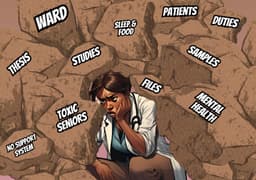
Being tear-gassed, chased, or beaten can be damaging even without severe physical injury. It's common in the days after to have trouble sleeping, feel jumpy, replay the event, or feel a flatness that's hard to explain. This is a human response to an abnormal event, not a sign of weakness. Talk to your friends- solidarity in times of trouble helps more than one can account for. Timely access to psychologists can be helpful. If these feelings persist, or disrupt daily functioning, it's worth seeking psychologist or psychiatric support. .
If you need any help- logistic, legal or medical, a group of volunteers have put together a list of resources here.
For doctors and health workers: how you can help
A lot of us want to know how to help, and many others may encounter people seeking care in their hospital premises. This is for you.
-
Your safety comes first. If you are at a protest site, make sure you are rested, have eaten well and are hydrated. You can only help others when you are well resourced. Have a roster of volunteers and take turns, keep shifts short (6 hours is recommended) and then get rest. Take support from non-medical volunteers. Some people are excellent logisticians, engage with volunteer lawyers and other such resources at the protest site.
-
Set up or join a first-aid point when you know a protest is planned, with saline or clean water for eye irrigation, basic wound care items, and set up a quick checklist to triage head injuries. Coordinate with other doctors, lawyers and volunteers, so that medical services are evenly and equitably available throughout the protest site. We are adding a starter list of priority supplies that can help on the site: Make sure to check expiry dates.
-
Boxes of nitrile gloves and surgical or N95 masks and hand sanitizers
-
Plastic bags for waste
-
Rolls of gauze, cotton tape, crepe bandages, saline bottles, Betadine, dettol
-
ORS
-
Nebulizers and ampoules of asthma medication
-
Scissors, tweezers, torch
-
Glucometers, BP instrument/stethoscopes
-
Makeshift splints for immobilization (wood/cardboard)
-
Oral medications for pain relief, gastric issues and to ease breathing
-
Aspirin / Ecospirin
-
Burn gel and ointments
-
-
Treat first, document second, but don't skip documentation. A clear medical note protects the patient later. If you're comfortable doing so, note the mechanism of injury in neutral clinical language. Know your reporting obligations under Indian law before treating. Doctors are required to inform police of certain injuries (medico-legal cases), but this does not mean withholding treatment or refusing to see someone. Explain this clearly and calmly to patients so they're not caught off guard.
-
For any people coming to OPDs after having attended the protest, ask about breathing, ask about sleep, ask if they've been able to eat. Several trauma-related psychological symptoms show up later and persist for weeks or months. You can choose to ask, or administer self-reporting questionnaires, to such patients. If you are not a psychiatrist, you can refer them onward. Keep a short list of mental health referrals which you can hand out without it feeling like a formal psychiatric referral, since many people won't seek help if it feels medicalized too soon. You can also keep handy contacts or links to volunteer psychologists providing pro-bono support.
-
Take care of your own team. Volunteer medics and doctors absorb a lot of this secondhand. If you are a part of the protests, debriefing after can help you and your team process some of what you are feeling.
-
Remember you are in the heart of a city with substantial numbers of medical facilities. Do not take on more than you can handle. First aid, adequate and correct guidance to those injured or sick and good documentation is key. Sometimes your most helpful contribution may be to counsel and encourage someone to seek proper care at a hospital.
-
In the heat of the protest, do not overlook basic medical ethics. Maintain confidentiality. Do not post pictures of any patients whether it is protestors or police or media online. If posting online please take explicit documented consent.
Other key things to remember at protests
-
Your phone and internet may stop working due to internet shutdowns. Write down phone numbers for emergency contacts on paper, and keep on your person.
-
Decide on any bluetooth communication app and download it before reaching the protest site to stay in contact with your group.
-
Make sure to carry cash including smaller denominations as online payment wont work if the internet is down.
-
Ensure your phone and battery backup is fully charged and carry charging cables
-
Do not go alone to provide care at the protest sites. Remain in pairs or teams.
-
Pick a physical backup location beforehand outside the protest area in case you get separated.
-
Maintain basic tenets of ethical care, patient privacy and confidentiality.
Your presence matters. There is a preventive aspect to medical presence. In other contexts it has been seen that actual violence seems to occur less often if it is known that medical professionals are present.
Securing democratic freedoms is not a sprint, it is a marathon. Stay safe, maintain your stamina, both mental and physical and organize better for the long ride.
Further reading