When a 40-year-old man arrived at a sub-divisional hospital in Punjab with chest pain at 4:40 am, the odds were stacked against him. A few years ago, he would likely have lost precious time travelling to a tertiary centre for treatment; instead, he received a clot-busting injection within minutes, thanks to a statewide programme that is redefining emergency cardiac care in the state.

For millions of heart patients in India, distance to healthcare centres, lack of equipment and specialists, and high costs of treatment contribute to long delays and cause preventable deaths

In this incisive piece, the author argues that a large proportion of violence against patients in the health system is not explicit but is built into the routine processes of how hospitals function, slowly eroding patient dignity with each visit.

In all 31 districts of Karnataka, more than 40 people-centred organisations and networks came together to rally for the right to affordable and high-quality healthcare. Some of the participants document their demands and experiences at this "Right to Health Jatha" of 2026 in this story.

Observing the current trend of hollowing out of public healthcare and the unregulated increase in privatisation and insurance-based healthcare, the author predicts that by 2030, even the rich will not be able to afford hospital visits in this incisive story.

An investigative analysis of the 2025 Madhya Pradesh cough syrup tragedy, revealing how India's poor drug regulatory system has contributed to the global problem of toxic contamination in children’s medicines.

This story of a small screening project for tuberculosis in an urban slum by three students and their public health teacher sheds light on the pertinent gaps between policy and implementation, revealing to us the amount of ground there is still left to cover in terms of grassroots TB care.

India’s cities thrive on invisible labour. This article shows how rural policy failures, weak labour protections, and urban informality combine to trap migrant workers in cycles of exhaustion, illness, and precarity. By design, not by accident.

Behind every statistic on violence against women lies a lifetime of systemic neglect. This article explores how entrenched biases, poor protocols and systemic apathy continue to endanger survivors—and what must change.

In many rural areas of India, type 1 diabetics requiring insulin do not even live to their twenties. Read this story detailing the complex systemic barriers, including infrastructure, storage, logistics, and poor health literacy, that worsen diabetes management with insulin in India.

This story relays the personal experiences of the author as he navigates sickle cell disease and its ramifications in the heart of India. How do individuals affect change on the ground?

When emergency care is denied due to financial demands, lives are lost. This article highlights urgent stories and calls for stronger policy enforcement and regulations to ensure no one is turned away in a crisis.

Most government hospital OPDs in urban areas are closing early, pushing patients into already overcrowded casualty departments. How is this system failing the very people it's meant to serve, and what can be done to fix it?

Open letter to CDSCO seeking urgent clarification on Emergency Contraceptive Pills' over-the-counter status in India, advocating for clear regulations and unimpeded access to safeguard reproductive rights

Explore the rising impact of lung cancer in India, its changing trends, challenges in access to advanced treatments, and the urgent need for awareness, improved diagnostics, and equitable cancer care solutions.
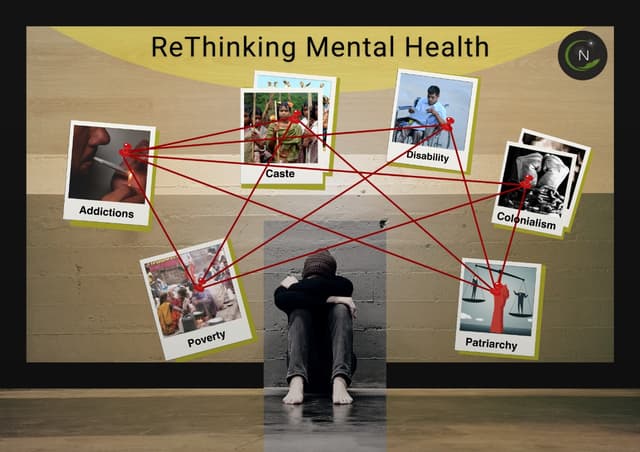
In India, mental healthcare is highly inaccessible to almost 70% of the population economically. That, combined with the focus of modern psychiatry on Western culture and pills leaves Indian people significantly underserved as their unique cultural contexts and existing systems of oppression go unaddressed. Here is how we can reimagine a model of mental health accessible to all.