It is estimated that 18,000 to 20,000 people lose their lives to rabies, a preventable disease, every year in India. Rabies is a disease caused by the rabies virus, which spreads through the bite of infected animals. Noticing the high and rising burden of rabies in India, the government launched a National Rabies Control Program in 2013.
Under the program, every animal bite victim is entitled to receive anti-rabies vaccine and anti-rabies serum up to the primary healthcare center level, free of cost. The program also aims to build the capacity of all doctors in the country and prepare them to manage an animal bite victim.
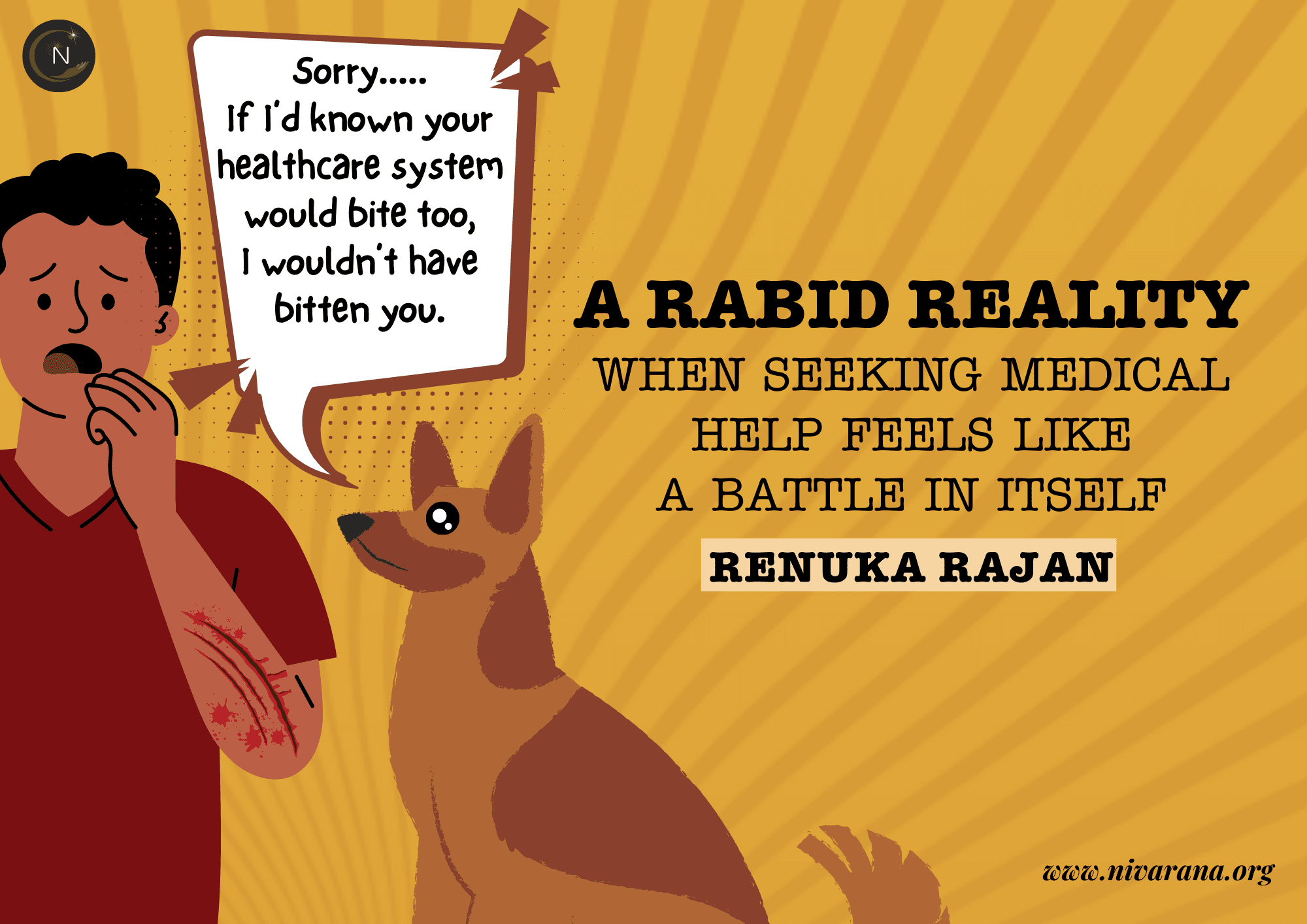
However, my recent experience of seeking protection from rabies after being bitten by a cat in NCR Delhi left me questioning India’s readiness to tackle this deadly disease.
The Incident
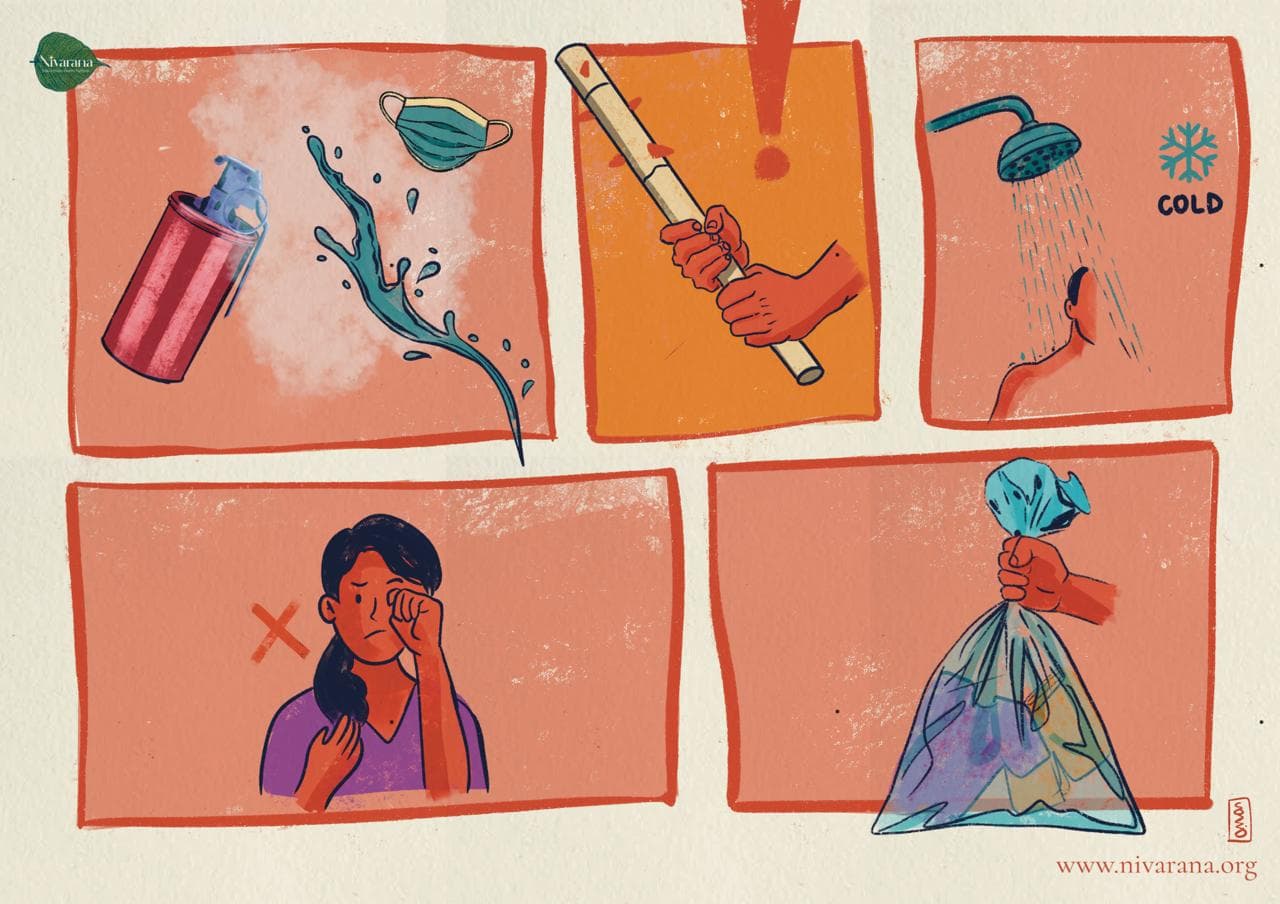
One night, I noticed that one of the community cats I cared for was visibly unwell. While trying to place him in a carrier to take him to the vet, he panicked and injured my hand. I wasn’t sure if it was a scratch or a bite, but I noticed bleeding. I immediately washed the area with water and soap and decided to visit the doctor in the morning.
The cat died early the next morning. Being a Sunday, nearby primary public health centers were closed, so I visited a private clinic. I told the doctor about the possible bite with bleeding and that the cat had died early that morning. The doctor there gave me the anti-rabies vaccine and advised a full course of five doses over Days 0, 3, 7, 14, and 28. She reassured me that even though it had been more than 12 hours since the incident, it still counted as Day 0.
With limited knowledge—thank you, Google—I followed the advice.
It was only 2 days later, when speaking to another doctor friend, that I realized there may be a need for another injection called “immunoglobulin”. After learning that this injection should ideally be administered within the first 24 hours after a bite, I began to panic, as it had already been three days.
Navigating A Broken Healthcare System
Since several doctor friends urged me to get the “immunoglobulin” injection, I began contacting general practitioners nearby to request if someone would be willing to administer it as soon as possible.
One clinic informed me they only collected blood samples for testing, but did not administer injections. Another doctor informed me that it was too late to get the injection and to simply continue the vaccine doses. Being concerned with the contradictory advice I was receiving, I booked an appointment for the next day with my general practitioner (GP) as I was due for my second rabies dose anyway.
On speaking with my GP and providing the entire history, he immediately informed me to get the immunoglobulin injection without any further delay. Though he mentioned that it would have been ideal to get it within 24 or at least 72 hours, it could still be taken within 7 days. He also warned me about the high cost of the injection in private hospitals (anywhere between INR 20,000 - 30,000) and advised me to try a government hospital, where it would be free. While I appreciated the guidance, I was at a loss for how to proceed.