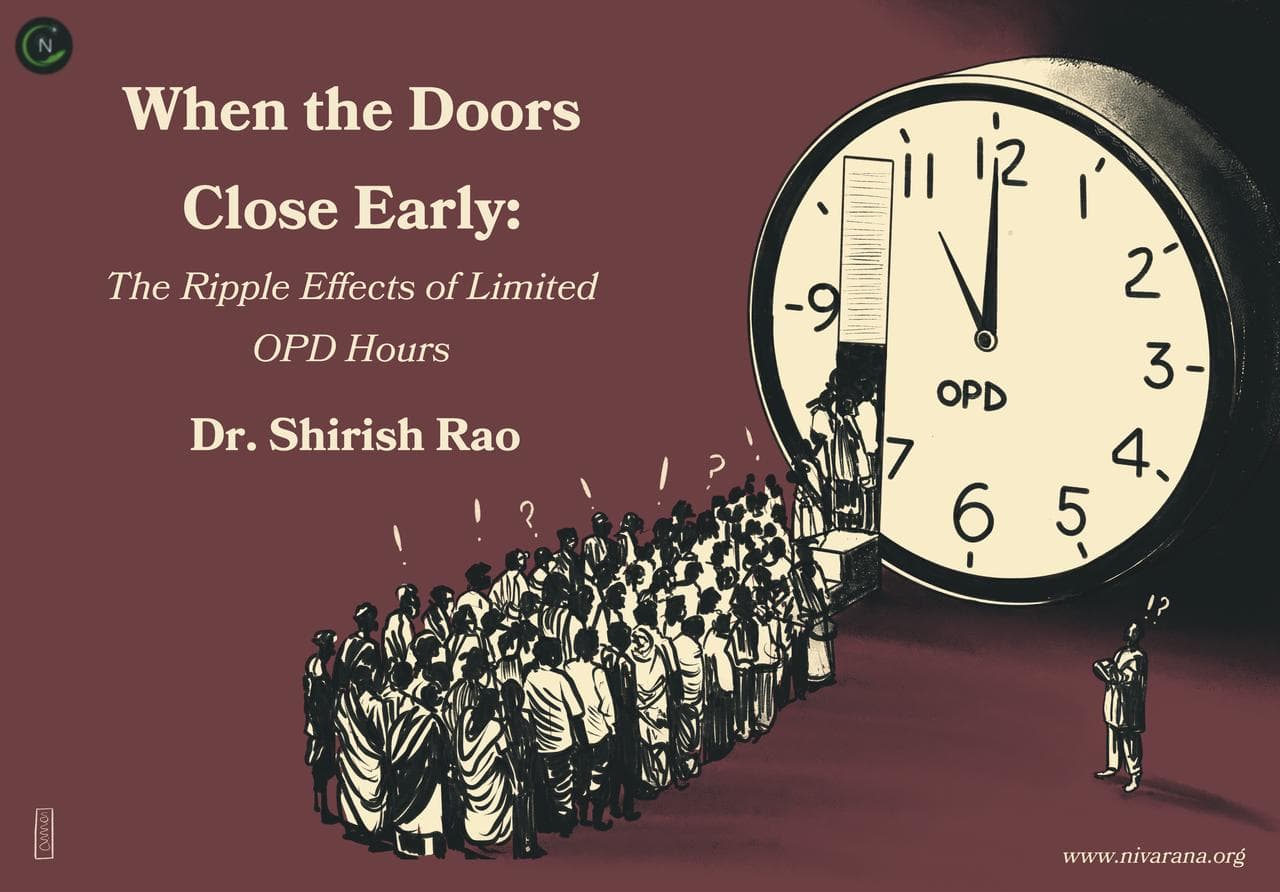
Every day, by 6 A.M., patients start lining up at the registration counter of the government hospital I work in. Similar to most government hospitals, OPD tokens here are issued only during a 4-hour window—7 A.M. to 11 A.M. This ensures that OPD, which is officially supposed to run until 4 P.M., shuts down by noon, giving consultants the freedom to leave, often so that they can run their private practice.
After that, patients with everyday complaints—fever, cough, cold, diarrhea, abdominal pain—flood the casualty department, turning what is supposed to be an emergency service into a second OPD.
In my six-hour shift, where I sit as a lone doctor in the casualty, I often see 70–100 patients. However, 80-90% of these people do not present with conditions requiring emergency care but come seeking care for illnesses that otherwise could have been treated in the OPD. Emergencies—actual emergencies—compete for attention and resources in the middle of this mess.
The worst part? When I tell these patients to come to the OPD the next day, they either return frustrated or don’t come at all. The reason is apparent: OPD timings don’t match the lives of the people it serves.
Rigid timings for a flexible problem
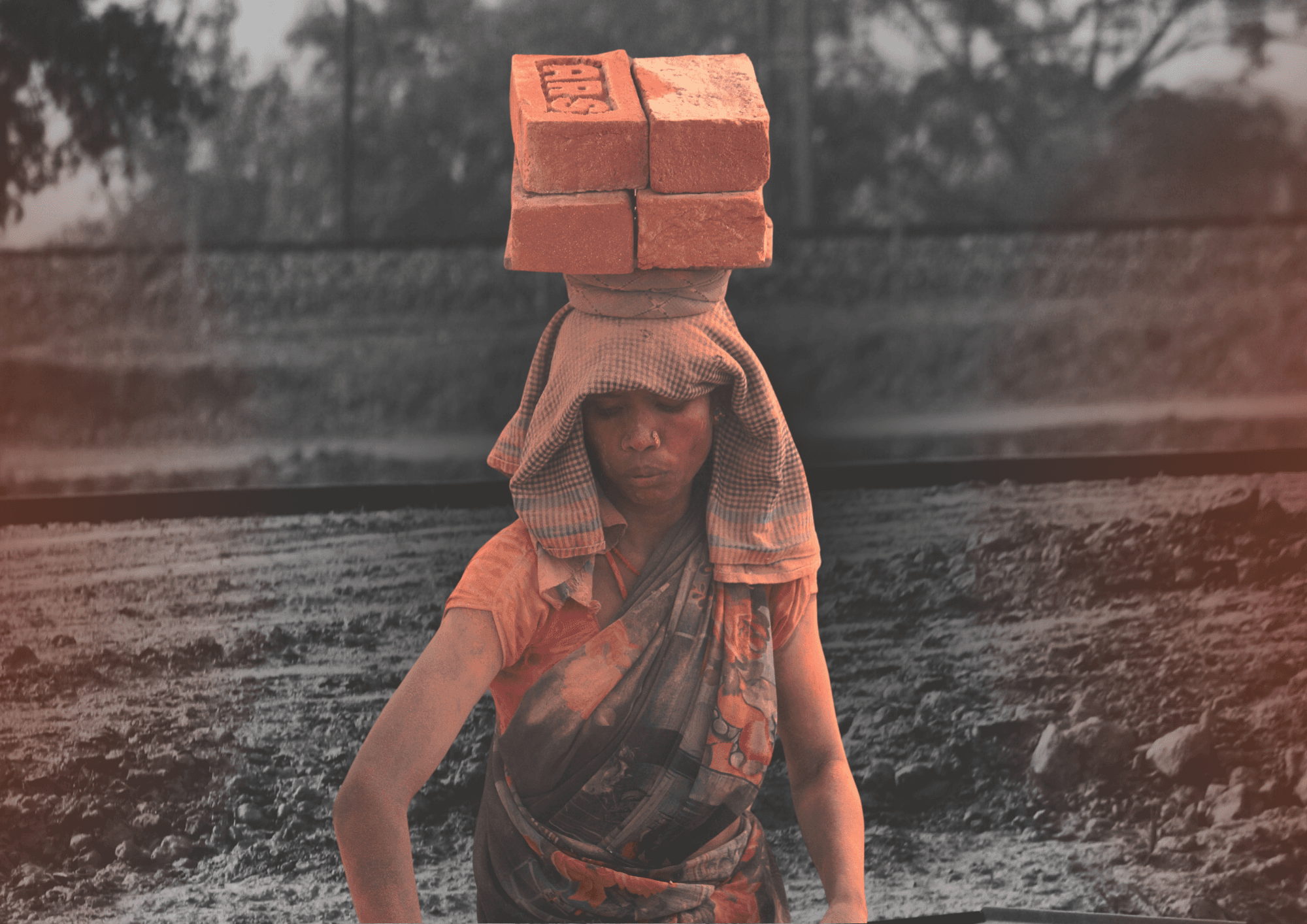
Most patients in government hospitals come from low-income, working-class backgrounds. They’re daily wage workers, shopkeepers, and office employees who cannot afford to lose a day’s wages. These patients don't have the privilege of sick leave. They’re free only in the evenings after their work or on Sundays—times when the OPD is conveniently closed. Casualty then becomes their only point of contact for accessing formal healthcare.
When asked, “Aap log OPD subah me kyu nahi aate (Why don’t you come to the OPD in the morning?),” there is one standard reply, “Sir, hum din bhar duty pe rahte hai. Abhi free hue toh socha dawa le le (Sir, we are on duty all day. Now that we're free, we thought we'd get some medicine).”
The most common group of patients that show up at the casualty are sick children, who either have school in the morning or their parents at work, turning the emergency pediatric room (EPR) into a 24-hour OPD.
This is where even quacks (informal healthcare providers) come into the picture, who can provide services at a low cost and also suit patients' timings. Whenever I ask a patient their reason for delay in seeking care, the typical answer is, “Pass ke private dawakhana se dawa kar rahe the, abhi zada badh gaya toh socha sarkari aspatal me dikhate hai (We were getting treatment from a nearby private clinic, but now that it has worsened, we thought of visiting the government hospital).”
The neglect of chronic wounds
Casualty is meant to handle only fresh or old wounds with life-threatening infections. Old wounds that need only dressings are restricted to the Surgical OPD from 9–11 a.m. This rigid system creates a significant problem—why would a patient, especially one with limited mobility or financial resources, stand in line for hours to get a routine dressing change? Many don’t, and as a result, their wounds worsen.