Dr. Kimberley D’Souza is a Consultant at the ICMR–National Institute of Epidemiology. Trained in Community Medicine, their work spans field epidemiology, surveillance, and research, focusing on integrating mental health into public health through a One Health and equity lens.
They are interested in bridging clinical care and population health and advancing interdisciplinary, intersectional approaches for vulnerable and marginalised communities.
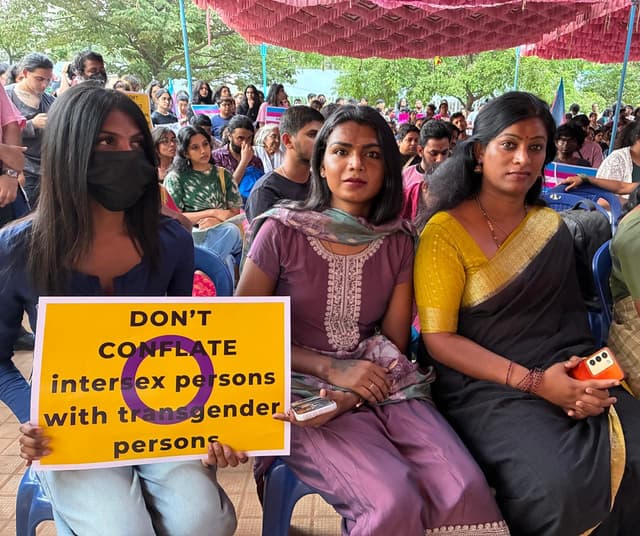
Ignoring established global guidelines, expert medical consensus and sustained community protests, the law signals a departure of policymaking from evidence and expertise to ideology and administrative control.
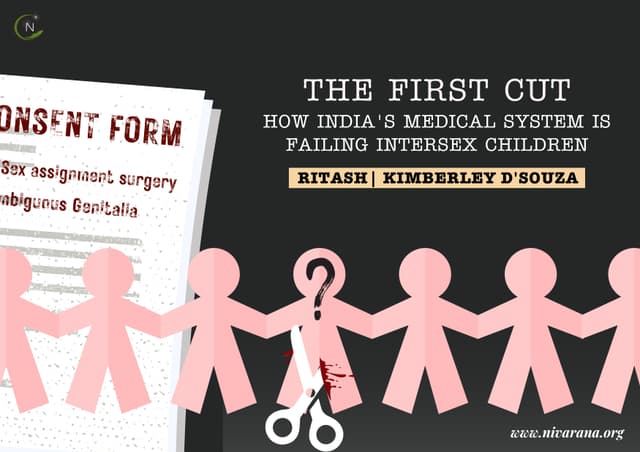
Across hospitals in India, infants and children with intersex variations are subjected to irreversible surgeries to “normalize” their bodies, without medical need, without consent, and with lifelong consequences.
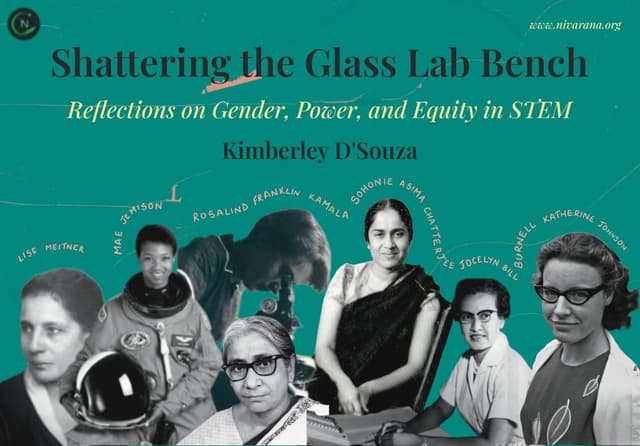
This deeply personal essay unpacks the gendered power dynamics in STEM through lived experience, revealing how systemic bias, societal expectations, and erasure of women’s contributions continue to shape who gets to lead—and who gets left behind.
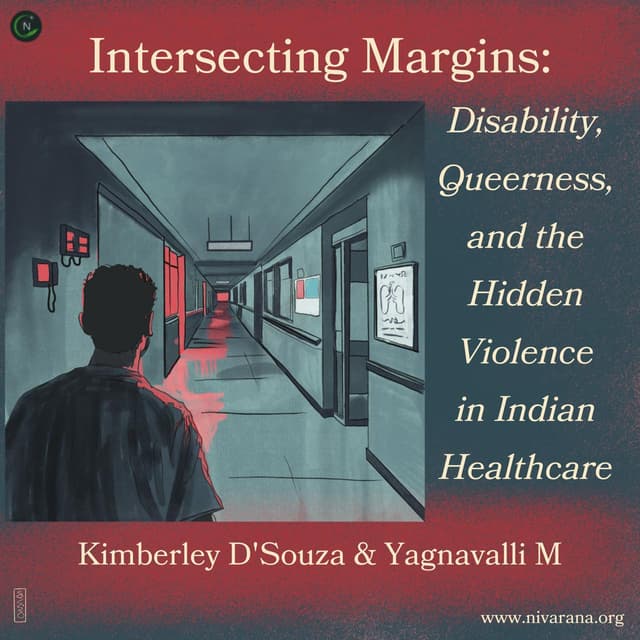
For many people with disabilities that are also queer, seeking medical care often feels like shouting into a void—ignored, misunderstood, and dismissed. Their stories shed light on how the current design of our health system, intersecting with gender, caste, and class, creates deep barriers to access for disabled individuals in India.
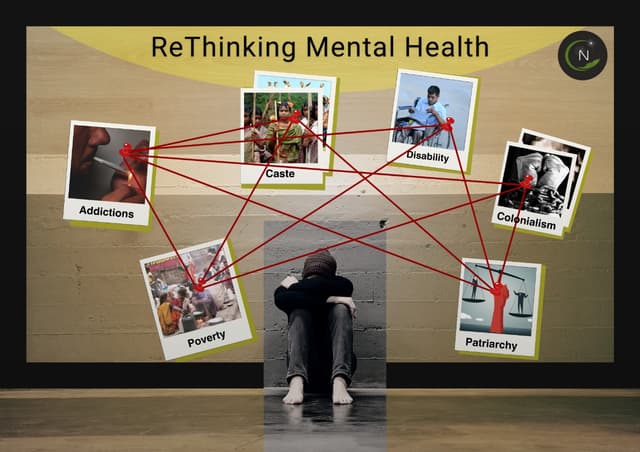
In India, mental healthcare is highly inaccessible to almost 70% of the population economically. That, combined with the focus of modern psychiatry on Western culture and pills leaves Indian people significantly underserved as their unique cultural contexts and existing systems of oppression go unaddressed. Here is how we can reimagine a model of mental health accessible to all.