A friend's mother from my hometown, Karimganj, in Assam, was diagnosed with throat cancer and had been travelling to Delhi for chemotherapy. Alongside her treatment, she also takes traditional medicines and visits temples as part of her healing process.
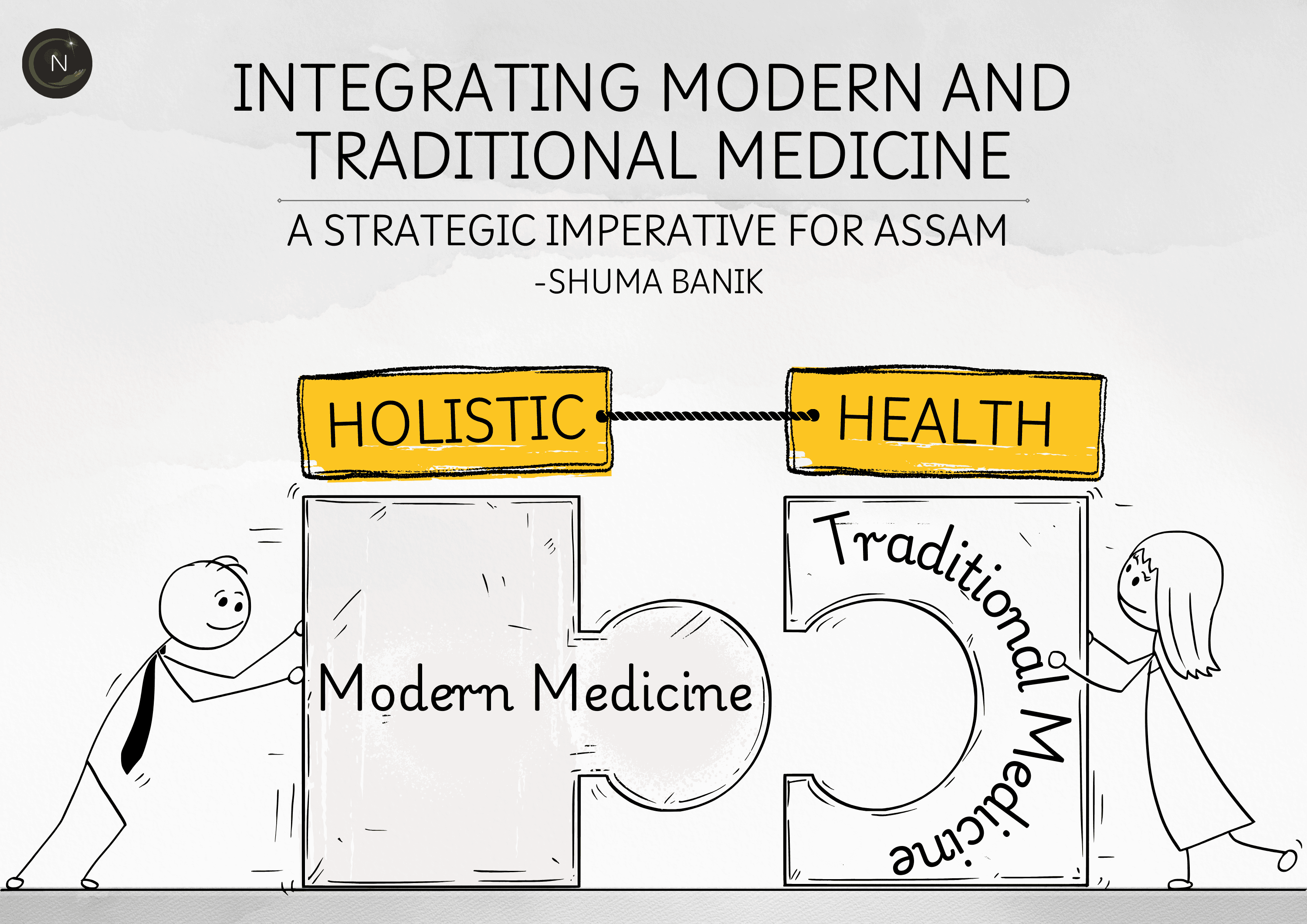
When I asked her why she isn't relying solely on chemotherapy, she explained that visiting the temple gives her the strength to keep going with her treatment. She also mentioned how isolating the chemotherapy experience can feel – whereas visits to traditional healers back home have created a supportive community around her, which gives her emotional support. Hence, relying on both the modern and traditional medical systems simultaneously maximises the chances of a cure, breaks free from the isolation of biomedical care, and builds emotional resilience through culturally aligned support networks.
The dual role of modern and traditional medicine in patient care
In his book Partners to the Poor, Paul Farmer mentions an incident in Haiti where one of his patients believed that sorcery was the leading cause of her disease, yet she continued to take modern medicine. When he asked her why she was using both, she suggested it was due to the complexity of human life and its holistic nature.
Anthropologists Andrew J. Strathern and Pamela J. Stewart, in their book "Curing and Healing: Medical Anthropology in Global Perspective", mention their discussion of health-seeking behaviour among villagers in Papua New Guinea, where people sought biomedical therapy at the same time as consulting a diviner or witch-finder. They stated, "The one does not rule out the other because people perceive them as dealing with different aspects of a complex reality."
WHO defines health as physical, mental, and social well-being, not merely the absence of disease, thus emphasising the importance of holistic care and well-being. Hence, the role of traditional medical practices in the healthcare system is undeniable. People, culture, tradition, and science desperately need space to perform a good tango together.
India has a distinct pluralistic health system, with a modern and traditional healthcare system coexisting and operating at different service delivery levels: national, state, and district. Since India is a very diverse nation with extremely diverse traditional medical practices, there are 'Great' (iterate, authoritative, and centrally regulated) and 'Little' traditional healing practices (popular, unauthorised, and locally variable).
'Great' learned healing systems like Ayurveda, Unani, etc., are more streamlined, while 'Little' traditional healing practices like worship of goddesses like 'AIDSAmma' exist and are localised to some populations. It is interesting to note that practices like temples of 'AIDSAmma' still hold importance in the modern biomedical context. One of the examples is the AIDSAmma temple becoming the focal point of sharing information on AIDS, leading to the evolution of culturally sensitive preventive care.