TW: This article mentions death and rape.
5 Billion people around the world cannot get surgery when they need it. Surgery covers a wide range of diseases and populations. Access to obstetric surgeries has helped in reducing maternal mortality and improve the health of women globally. Yet, people in many low- and middle-income countries, including India, cannot access many components of emergency and essential obstetric and gynecological care. Access to safe abortion is one such aspect that is also a major public health concern in India. In 2015, India witnessed 2.2 million (14%) surgical abortions. However, nearly 800,000 abortions were carried out using unsafe methods. This clearly highlights that despite progressive laws, unsafe abortions are still performed in India.
In a country where millions of women require abortion services, it is important to note that encouraging and enabling access to the service is a small but significant step. Abortion is a health issue that has legal, operational, cultural, and social barriers and implications. Thus, it is important to look at it from a broader perspective and not just consider it a healthcare provision issue. Abortion care is a social issue.
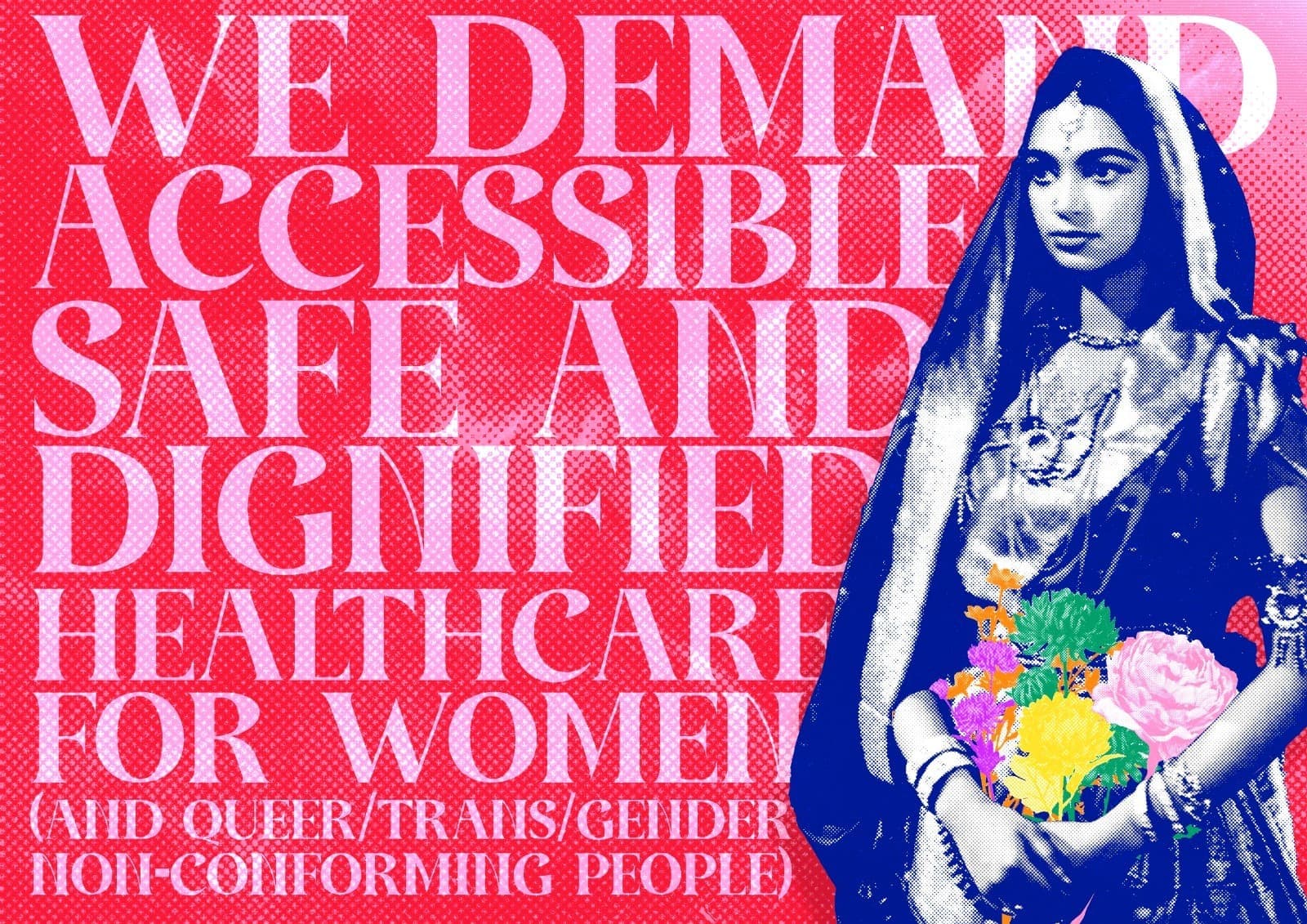
It is important to bring to the lived experiences of people seeking abortion to the forefront. We need to encourage people-centric care where experiences matter as much as the numbers. Thousands of women came forward to share their intimate personal accounts, as part of the Khud Se Pooche (ask yourself) campaign that focused on encouraging women to share their experiences in a safe space. A space where their experiences are not dismissed and where they could define what dignity in healthcare could look like.
Here we share the stories of some of the women who were put at risk because of the inadequacy of the health system and society and the thoughts of healthcare providers who have witnessed how inadequacies lead to injustices.
Different journeys, experiences, and realities
The journey of finding out about unwanted pregnancies is a lonely one for most women. As they miss their periods, the ones with access to the internet look up online, others ask around, and fear starts seeping in right there. Very few would be able to talk to their partners, and even fewer would consult a medical professional for help.
We asked young people whether they had heard of anyone around them who had had an abortion. Following a period of complete silence, one person raised his hand and told about his friend who had once missed her periods but did not know what to do. “ASHA didis (community health workers) are like our mothers, we can’t go to them with such issues. The entire village will know. My friend went away from the village as she had heard (they clean it quickly). It’s not safe, but nobody came to know about it.”