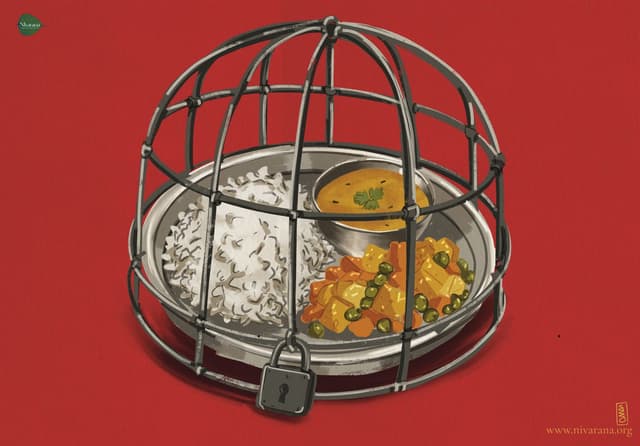
This highly descriptive story details the humilation, pain and medical negligence that a patient of schizophrenia underwent as she sought care for her Neuroleptic Malignant Syndrome.

While most cancer medications are known to affect fertility, people diagnosed with cancer are not explained this possibility during their treatment. There is a need for ensuring that their reproductive rights and autonomy is centred in the conversation of cancer care.

Marital rape is a widespread and under discussed problem in India. This article talks about the health impacts of being a victim of marital rape and how they can be addressed, both in the physician's office as well as in public health programmes.

Violence against women in Indian families wears various faces which are both unrecognised and unrecognisable. It is magnified and sustained by systems of inequality writes the author in this essay, drawing from experiences of women in her life.
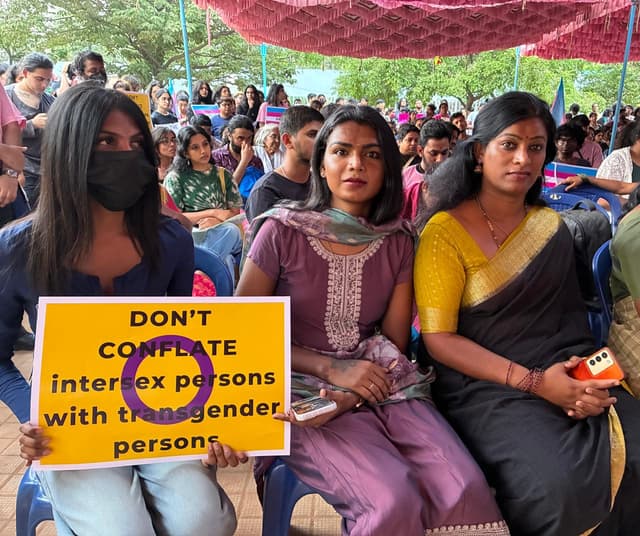
Ignoring established global guidelines, expert medical consensus and sustained community protests, the law signals a departure of policymaking from evidence and expertise to ideology and administrative control.

As a recent Lancet analysis shows that domestic and sexual violence is leading to poor health in one billion women and children around the world, this article argues that law and health system interventions have a critical gap of leaving out men from the conversation.

Behind every statistic on violence against women lies a lifetime of systemic neglect. This article explores how entrenched biases, poor protocols and systemic apathy continue to endanger survivors—and what must change.

In India, informal caregivers, such as family members and relatives, do the bulk of caregiving for sick individuals - thereby performing the work of the public health system. What are their concerns and burdens, and how might they be eased?
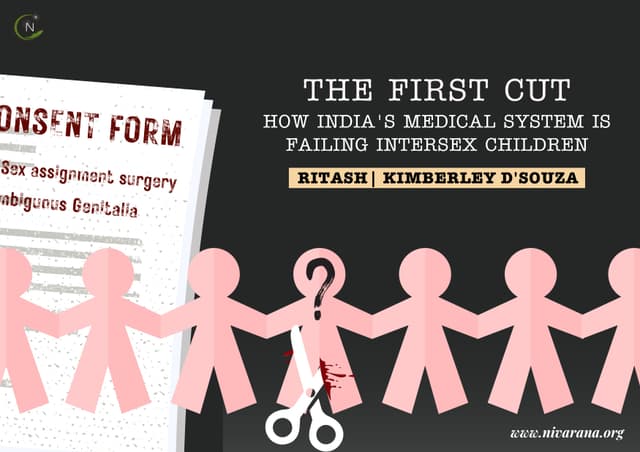
Across hospitals in India, infants and children with intersex variations are subjected to irreversible surgeries to “normalize” their bodies, without medical need, without consent, and with lifelong consequences.
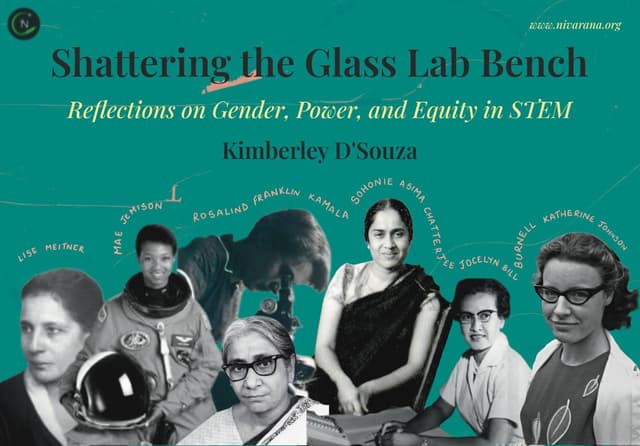
This deeply personal essay unpacks the gendered power dynamics in STEM through lived experience, revealing how systemic bias, societal expectations, and erasure of women’s contributions continue to shape who gets to lead—and who gets left behind.
For many people with disabilities that are also queer, seeking medical care often feels like shouting into a void—ignored, misunderstood, and dismissed. Their stories shed light on how the current design of our health system, intersecting with gender, caste, and class, creates deep barriers to access for disabled individuals in India.

Part three of our series on women’s health in Indian public institutes examines the neglect of clinical care in women’s colleges, exposing stark resource disparities and systemic apathy. From inadequate first aid to medical gaslighting, we uncover the hidden struggles of female students seeking basic healthcare.

A case study of three premier public institutes reveals the gaps in India's vast but flawed menstrual policy—leaving women in urban spaces struggling for access. This neglect is also found in higher education institutes, forcing students to navigate stigma, scarcity, and systemic indifference.

Poor hygiene and inadequate sanitation facilities in educational institutions disproportionately impact female students, leading to absenteeism and dropouts. This widespread neglect highlights systemic apathy toward women's health and well-being in Indian higher education.

Open letter to CDSCO seeking urgent clarification on Emergency Contraceptive Pills' over-the-counter status in India, advocating for clear regulations and unimpeded access to safeguard reproductive rights

In this personal narrative, the author explores the beneficial effects of undergoing gender sensitivity training in her daily practice of medicine and her role as a teacher, shaping the minds of medical students.

This article explores the widespread prevalence of violence against women in the healthcare sector and argues that the Kolkata hospital crime could have been the story of any woman healthcare worker.