“A patient comes to the health center for only two reasons, either their pain is unbearable, or their anxiety is,” says Dr. Dilip Mathai, former Professor of Medicine at Christian Medical College, Vellore.
Pain is the most common symptom that brings a person to a doctor. It can manifest in various forms - headache, stomach ache, generalized body pain, or even a vague heaviness in the chest. However, only some types of pain receive a doctor’s full attention, such as pain on the left side of the chest radiating to the jaw or left arm (a classic sign of a heart attack), sharp, severe headaches, or pain accompanied by visible injuries like protruding bones.
Generalized aches, chest heaviness, or dull, nonspecific pains often fall into the "wait and watch" category. These are usually treated with a painkiller, regardless of the underlying cause. This means that health providers will hand a painkiller to someone with anemia, calcium deficiency, or even early-stage blood cancer without evaluation until the condition progresses to the point of demanding emergency care.
Medical Education in India: Painfully Inadequate
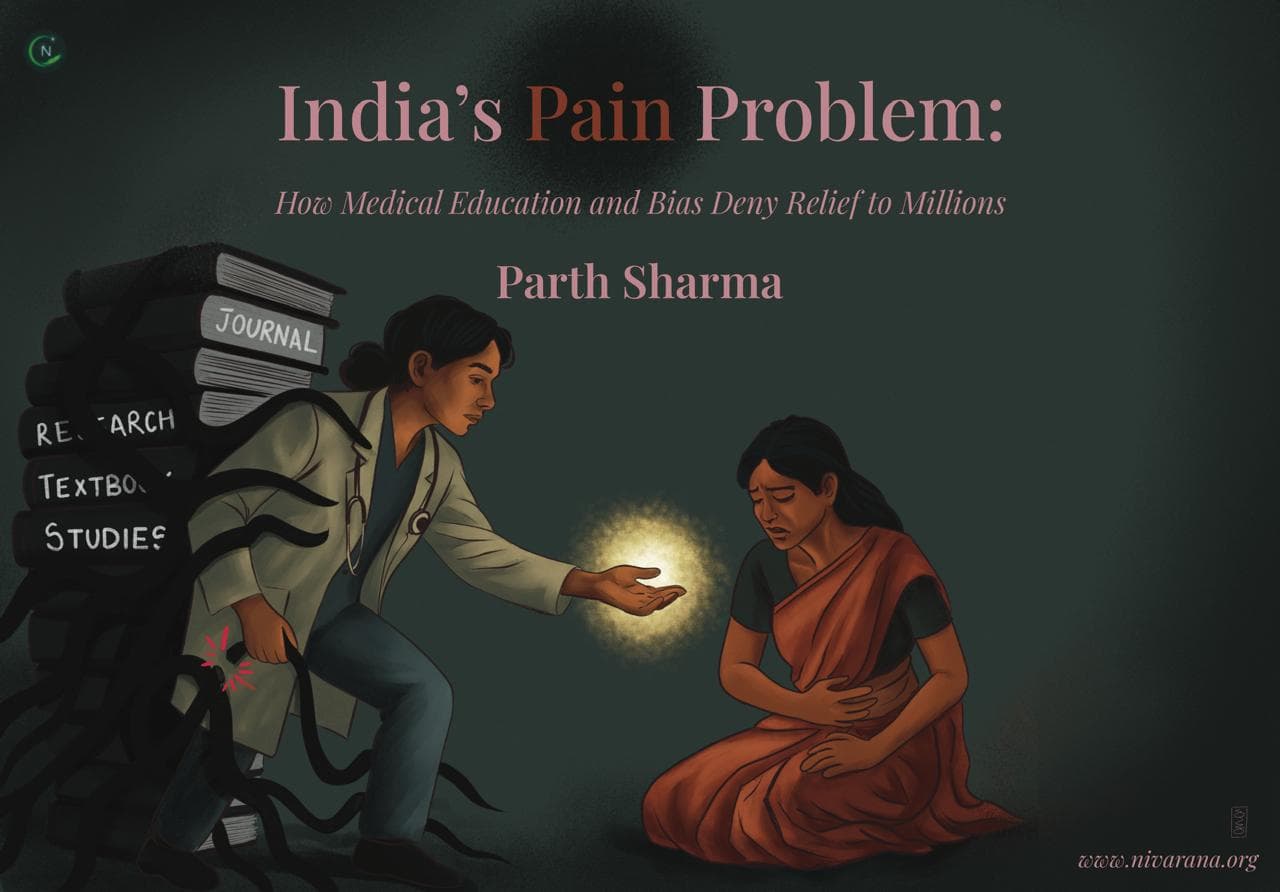
In the first year of medical school, students learn about the receptors and chemical pathways that generate the sensation of pain. By the second year, they learn about drugs that can block these pathways. But when it comes to real-life clinical training, there is a glaring gap - no one teaches students how to assess or manage pain effectively.
Take, for instance, the WHO pain ladder, a theoretical framework taught in pharmacology. Despite learning the sequence of drugs to prescribe, students receive little to no hands-on experience applying this knowledge in every day practice. This lack of practical training, combined with a limited understanding of side effects, breeds fear and misconceptions from early on.
The half-baked understanding that drugs like diclofenac and other NSAIDs can cause kidney damage leads many physicians to under-prescribe or restrict their use unnecessarily. Similarly, the stigma and fear surrounding morphine, due to misconceptions about the drug or confusion over regulatory laws, deny patients, especially the ones with chronic life-limiting diseases, adequate pain relief. As a result,