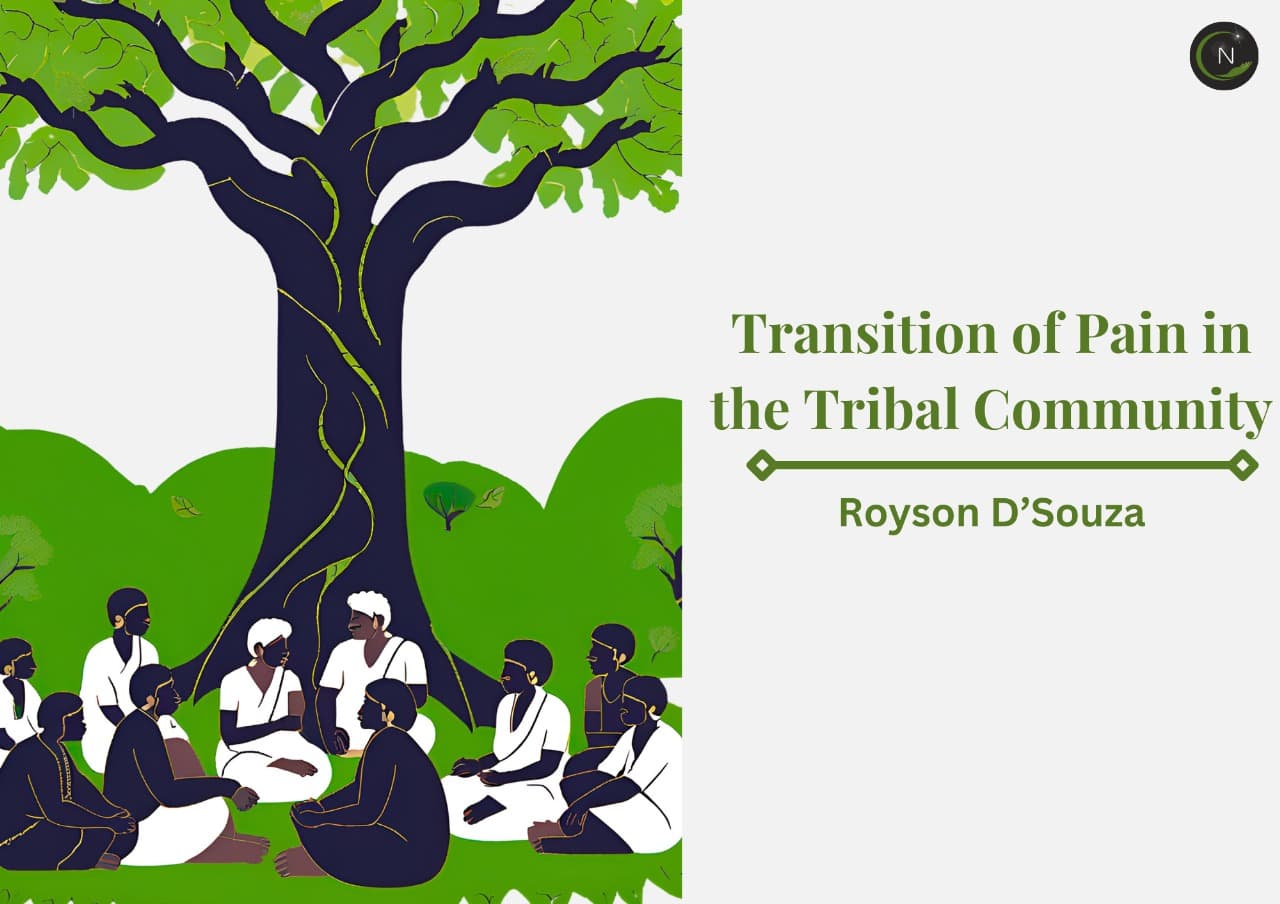
My first experience working with the tribal community in the Nilgiris, Tamil Nadu, was 10 years ago, when I chose to do my rural service obligation in a secondary care hospital that works for the health welfare of the Adivasis in this region.
In one of my first encounters, I saw a middle-aged man brought into the hospital after being mauled by a bear. He had at least three fractures and a completely disfigured buttock area. I started with a low dose of local anesthetic, doubting if it was enough to keep him comfortable. To my surprise, while cleaning the wound, I noticed that his heart rate did not cross 60 beats per minute, and his face was as calm as a stone with no expression of fear or pain whatsoever.
Pain beyond the physical realm
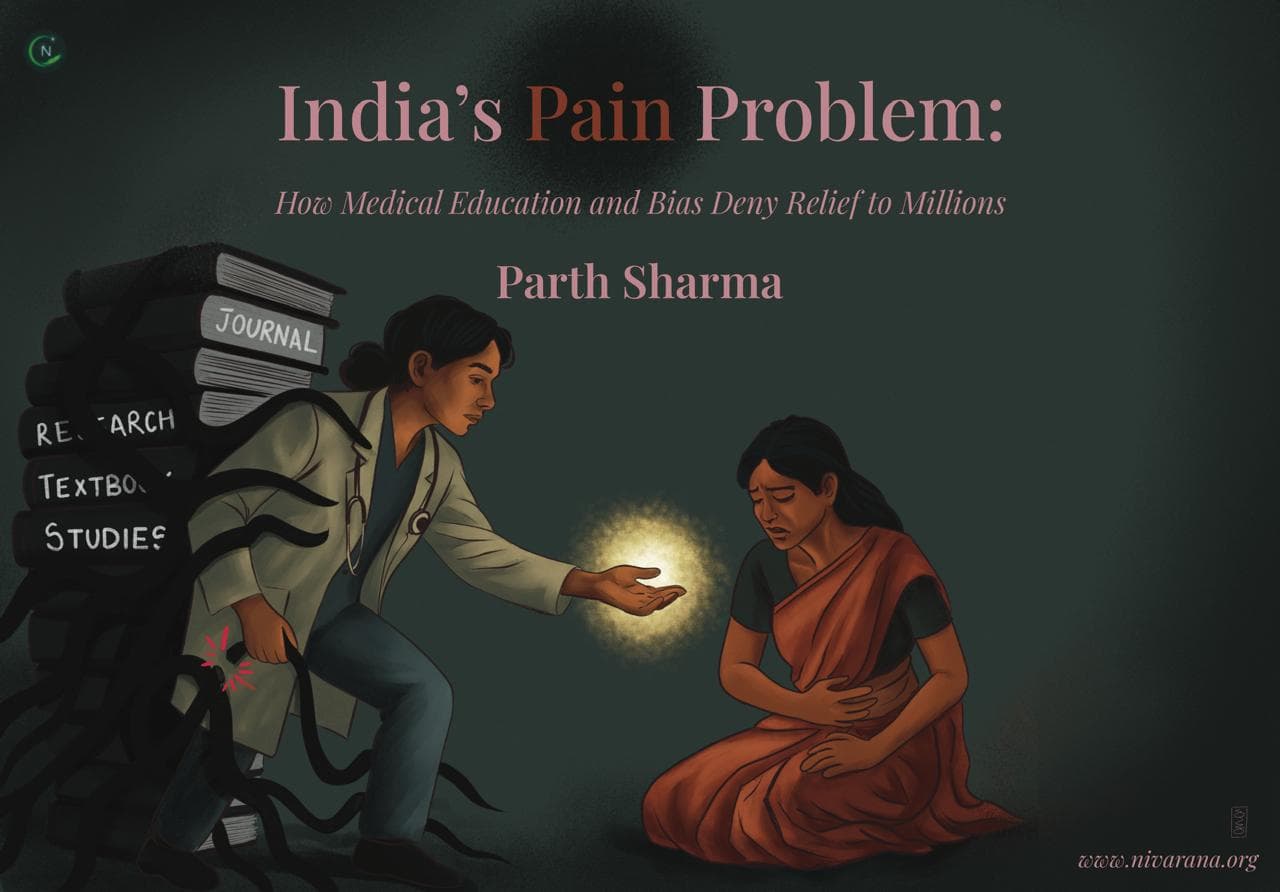
Pain, as we now know, is a complex interplay of cultural, social, and psychological experiences. I was amazed to see such living examples, where some people seem to have a higher threshold of pain. Some tribal communities in India may culturally express or report pain differently, possibly due to lived experiences, social norms, or limited access to care.
To cite another example, the labour room, which is the most chaotic and distressing area of any hospital, was an incredibly calm place with young mothers calmly delivering babies. The caregivers were staff from the Adivasi community, who added to the sense of a stress-free birthing experience by ensuring a holistic and familiar birthing environment for the mothers.
Pain has not just a physical component, but also psychological and emotional components. The threshold for pain tolerance varies between individuals depending on age, gender, previous experiences like surgeries, etc. Despite the limited supply of narcotic agents (especially for the rural hospitals), physical pain has probably been the easiest to manage in such settings in my experience. The bigger worry in the community currently is the other forms of pain, which have been extremely hard to manage.
Rising burden of mental health disorders
Over the last decade, the number of Adivasis suffering from mental health disorders, functional pain, abuse, and addictions has increased considerably. Infectious diseases such as pneumonia, tuberculosis, and gastroenteritis, which were the most common causes of hospital admissions in the past, have transitioned into cardiovascular diseases, strokes, cancers, and mental health conditions.
These disorders, unlike the former, require continued and often lifelong interventions, which can be challenging despite having a dedicated community health program. Suicides have been among the top five causes of death for the last five years. The number of patients with depressive and psychiatric disorders has grown exponentially and proportionately to the number of alcohol users.
At the heart of the matter lies a difficult question: How do we begin to manage the pain that emerges when one’s sense of purpose has been stripped away?