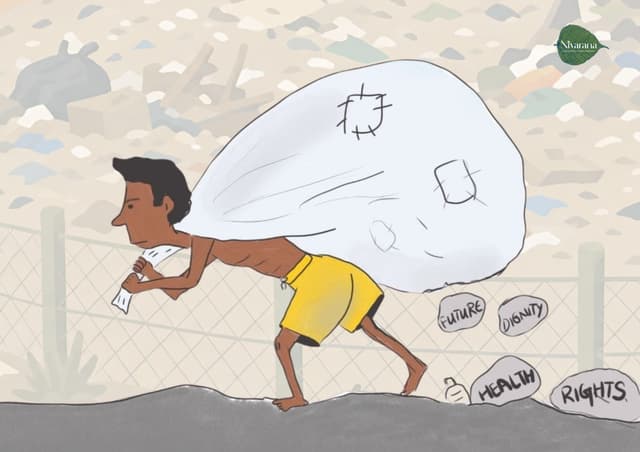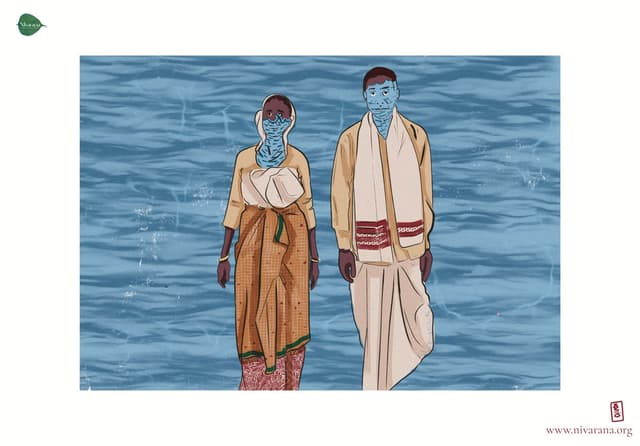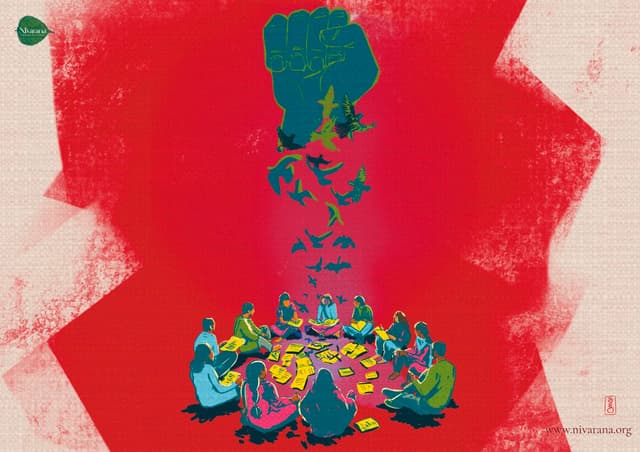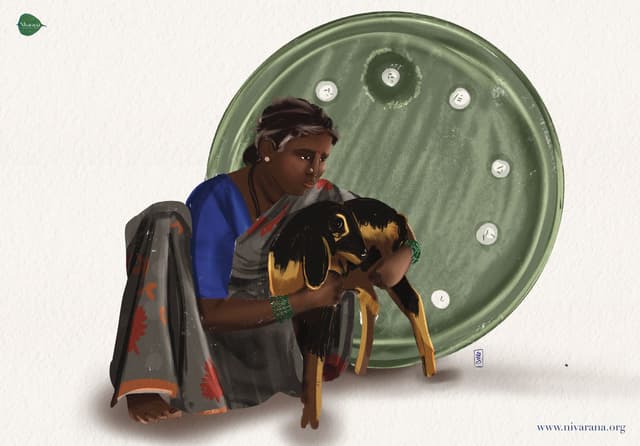
“The basic issue will be that they [livestock farmers] cannot afford it,” a veterinary surgeon in Chikamagalur district replied to the author’s question on the new proposed guidelines to control Antimicrobial Resistance(AMR). This story looks at how livelihood precarity of livestock farmers drives Antimicrobial Resistance in India and how the fight against AMR needs to be reimagined in a radical and expansive manner.
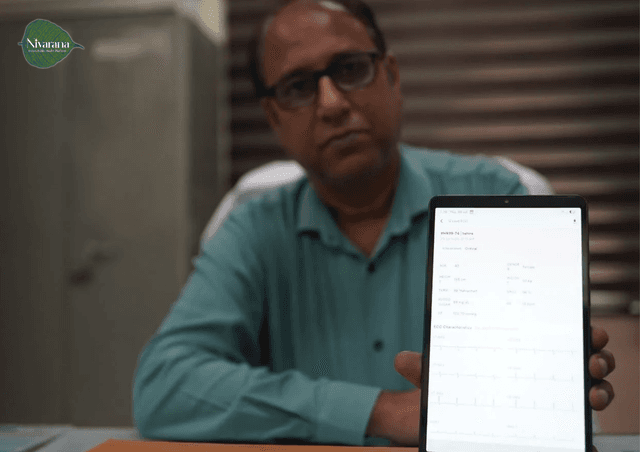
For ASHA worker Raj Rani, a persistent pain in her arm led to a diagnosis and timely treatment for a blocked coronary artery. Haryana’s new tele-ECG network is bringing this possibility to rural health centres, though gaps in staffing, referrals and long-term sustainability remain.
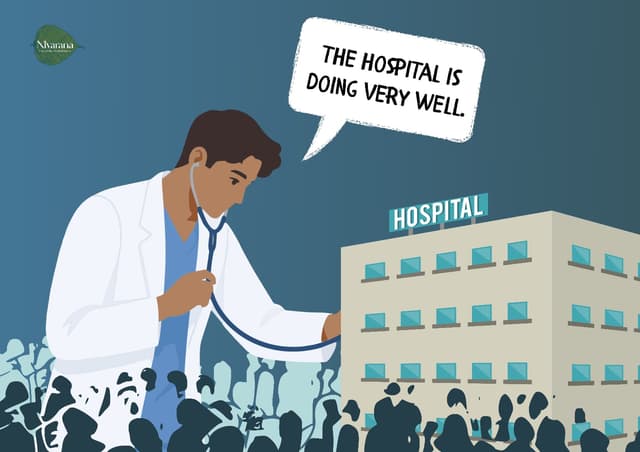
Healthcare systems are remarkably good at recording what institutions need to know to function optimally, often to make a profit or create a good image. This piece asks a deceptively simple question: who is responsible for knowing whether the patient actually got better?
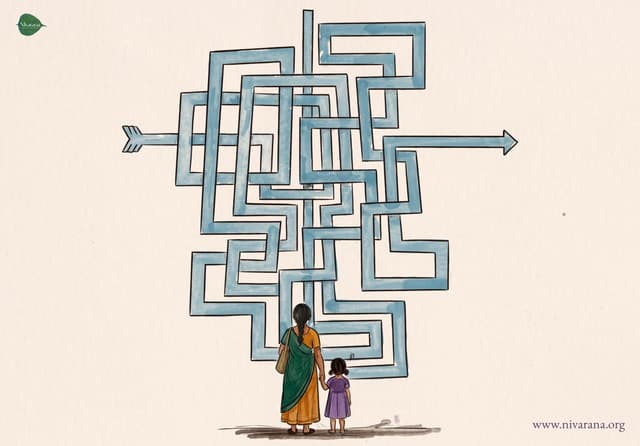
Despite recent advances in genetic diagnosis and treatment, millions of Indians with rare diseases remain trapped between a healthcare system that cannot diagnose them and a policy framework that cannot treat them.
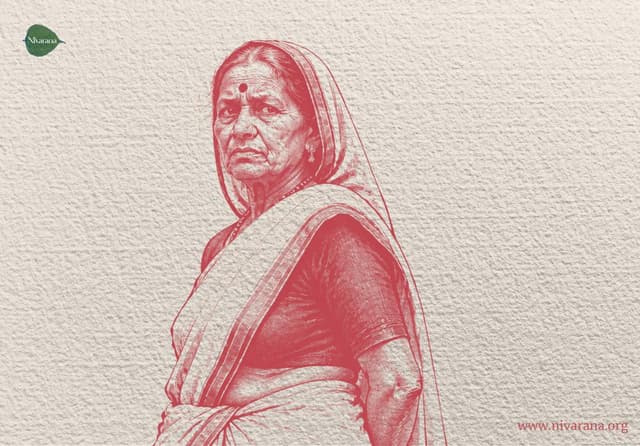
A review of how Maharashtra’s draft Clinical Establishments Bill, 2026 signals a rollback of hard-won patient protections on affordability, dignity, accountability and equitable access to care.
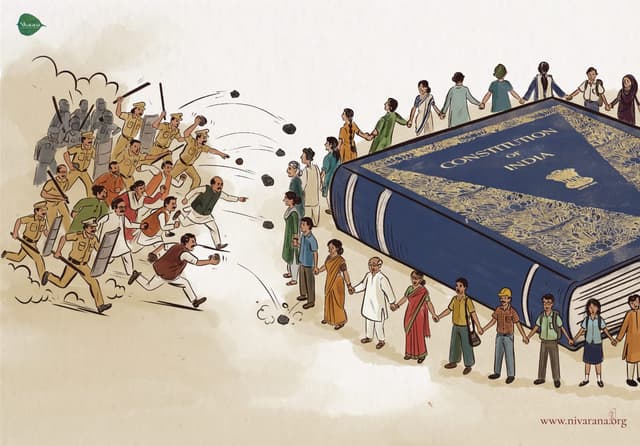
The CJP protest achieved a historic ministerial resignation, but can it spark lasting democratic reform? Drawing lessons from Czechoslovakia's Velvet Revolution, this article argues that India's real challenge begins now.

A misdiagnosed lump, years of delay, and a Stage IV cancer diagnosis. One family's story exposes how systemic failures in India's public healthcare system can turn a treatable illness into a tragedy.

The Multidimensional Poverty Index misses the reality of everyday hardship. Homes, water, schools, and healthcare may exist on paper but broken systems, debt, and poor quality leave families struggling unseen. See what the data hides

An elderly man passed through multiple levels of tertiary care without anyone asking why he was in pain. His story reveals how medical colleges, once defined by clinical rigor, are slowly losing the meaning of comprehensive care.

In a town shaped by iron ore and labour unrest, Shaheed Hospital emerged not from charity or the state, but from collective struggle. Built by workers and run through radical democracy, it reimagines healthcare as an act of resistance, care, and solidarity.

A letter from the editor spotlighting our best stories which amplified the voices of the marginalised, boldly ventured into topics often ignored or suppressed and demanded accountability from power also featuring some of our staff members’ personal favourites!

India’s cities thrive on invisible labour. This article shows how rural policy failures, weak labour protections, and urban informality combine to trap migrant workers in cycles of exhaustion, illness, and precarity. By design, not by accident.

A powerful exploration of life after colorectal cancer, this story sheds light on the stigma, emotional burden, and financial strain faced by patients living with a stoma in India. It calls for counseling, awareness, and community support to help survivors live with dignity beyond cure.

A rehabilitation expert’s world turns inward when his own son shows signs of developmental delay—unveiling a journey from denial to deep empathy, and transforming both his parenting and his profession. A personal essay on navigating disability, not just as a specialist, but as a father learning to listen, unlearn, and begin again

This story relays the personal experiences of the author as he navigates sickle cell disease and its ramifications in the heart of India. How do individuals affect change on the ground?
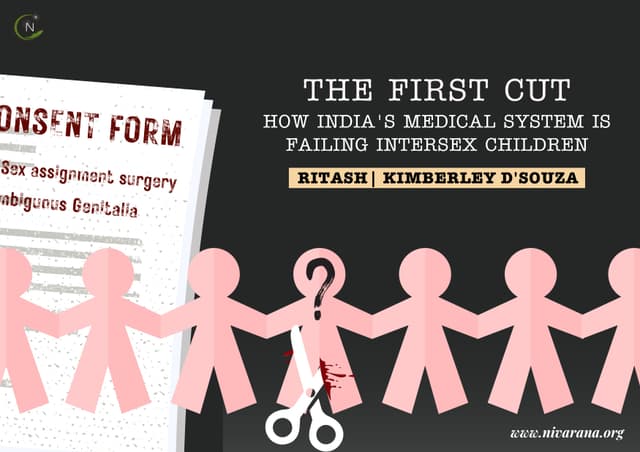
Across hospitals in India, infants and children with intersex variations are subjected to irreversible surgeries to “normalize” their bodies, without medical need, without consent, and with lifelong consequences.

This story highlights the human right to pain relief and dignity in death by looking at the suffering of rural cancer patients in India who need to travel hundreds of kilometers before being able to access pain relief.
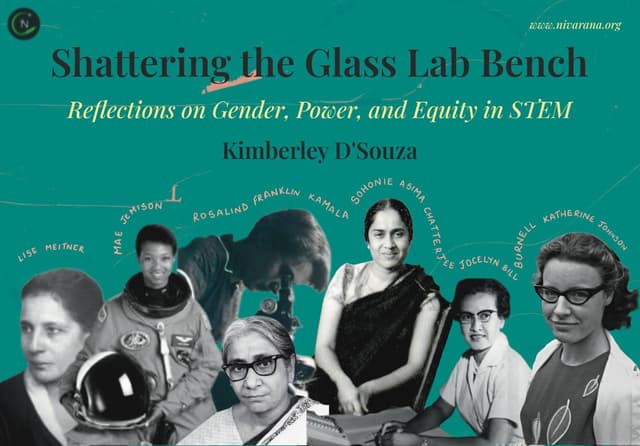
This deeply personal essay unpacks the gendered power dynamics in STEM through lived experience, revealing how systemic bias, societal expectations, and erasure of women’s contributions continue to shape who gets to lead—and who gets left behind.

When Indian patients get diagnosed with cancer, their relatives try to hide that diagnosis from them. Read how this leads the patients to suffering, loss of mental peace, and poorer outcomes in this article.