After Victory: Remembering COVID-19 from the Frontlines of Bihar
The pandemic may have faded from headlines, but many of its consequences have not. Through conversations with ASHA workers, health officials, and NGO practitioners in Bihar, this article looks back at COVID-19 from the ground up.
"Why talk about COVID now? I want to forget it" said Suman Kumari, who had spent months supporting COVID-19 relief efforts in her village, Rajwara, as a Community Health Worker (CHW) in Bihar. Alongside thousands of other ASHA workers across the country, she became part of the public health response to a crisis that pushed India's public health system to its limits.
By early 2021, India was working towards forgetting the pandemic. Case numbers had fallen sharply from their peak in 2020 and vaccination efforts had begun. The sense of crisis that defined the previous year seemed to be receding. In March 2021, then Union Health Minister Harsh Vardhan declared that India was in the "end game" of the COVID-19 pandemic. Public discussion became optimistic as vaccination campaigns expanded across the country. Large election rallies continued, and preparations for the Kumbh Mela went ahead.
A few weeks later, the second wave hit.
On the Frontline
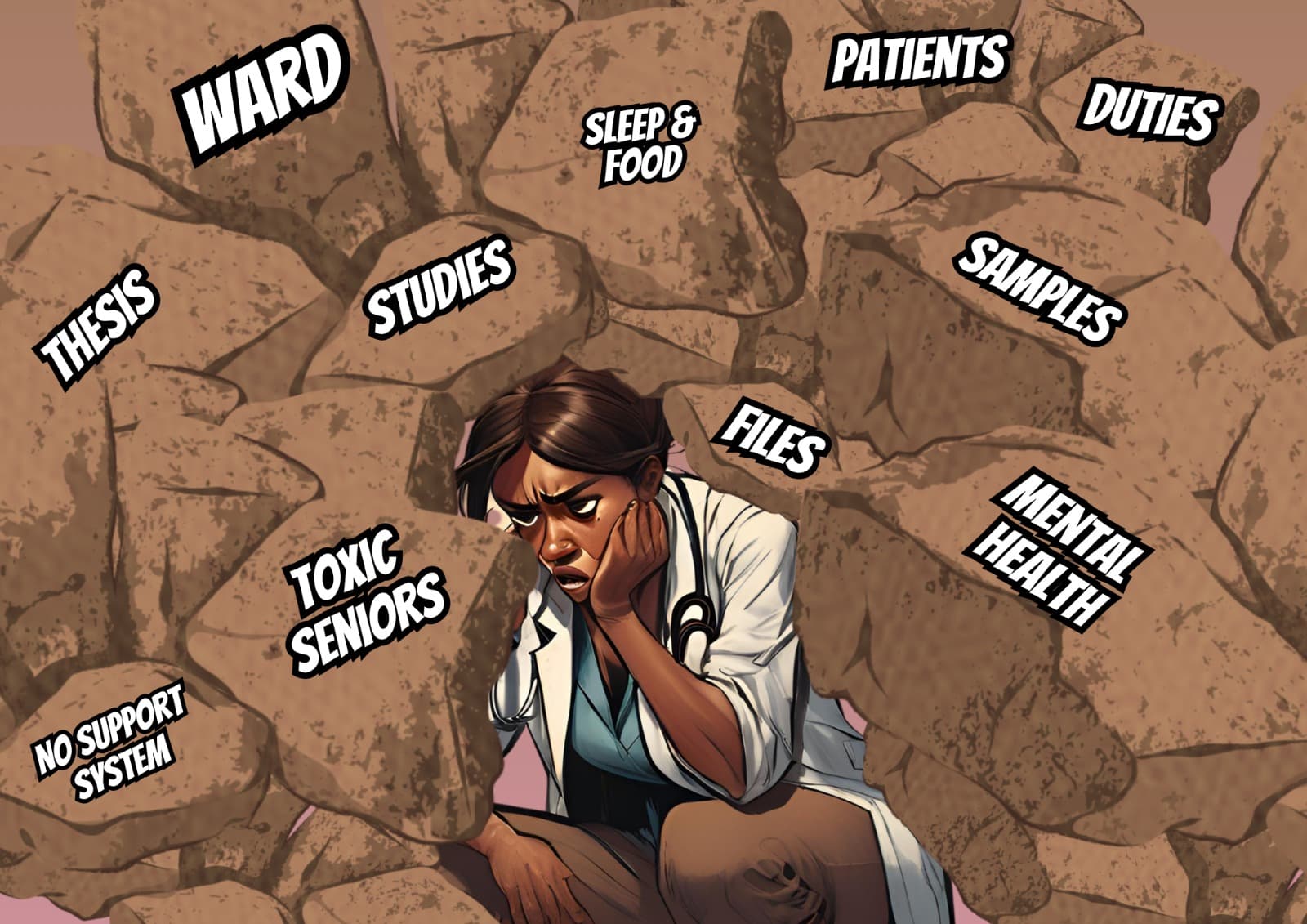
Suman Kumari and Dharmashila Devi are ASHAs (Accredited Social Health Activists) in Rajwara village of Bihar, India. A cadre of community health workers, ASHAs are the first point of contact between people and the public health system. They accompany pregnant women to health facilities, support immunisation drives, and maintain household records. The pandemic, however, added new tasks related to COVID-19 such as testing, surveillance, quarantine, and brought an unfamiliar urgency alongside those responsibilities.
Both ASHAs emphasised that persuading people to follow health protocols was often difficult. Suman Kumari recalled that some families concealed fevers, coughs, and other symptoms because they feared being taken away to hospitals or quarantine centres. Dharmashila Devi described her repeated visits to households encouraging residents to attend vaccination camps. "It was quite an ordeal," she said.
Health workers themselves were not immune from suspicion. Nishant Suman, who worked as District public health officer (DOHO) in CARE India across several districts in Bihar during the pandemic, recalled instances where ASHAs and other frontline staff in some areas were shunned by community members who feared infection through contact with COVID patients.
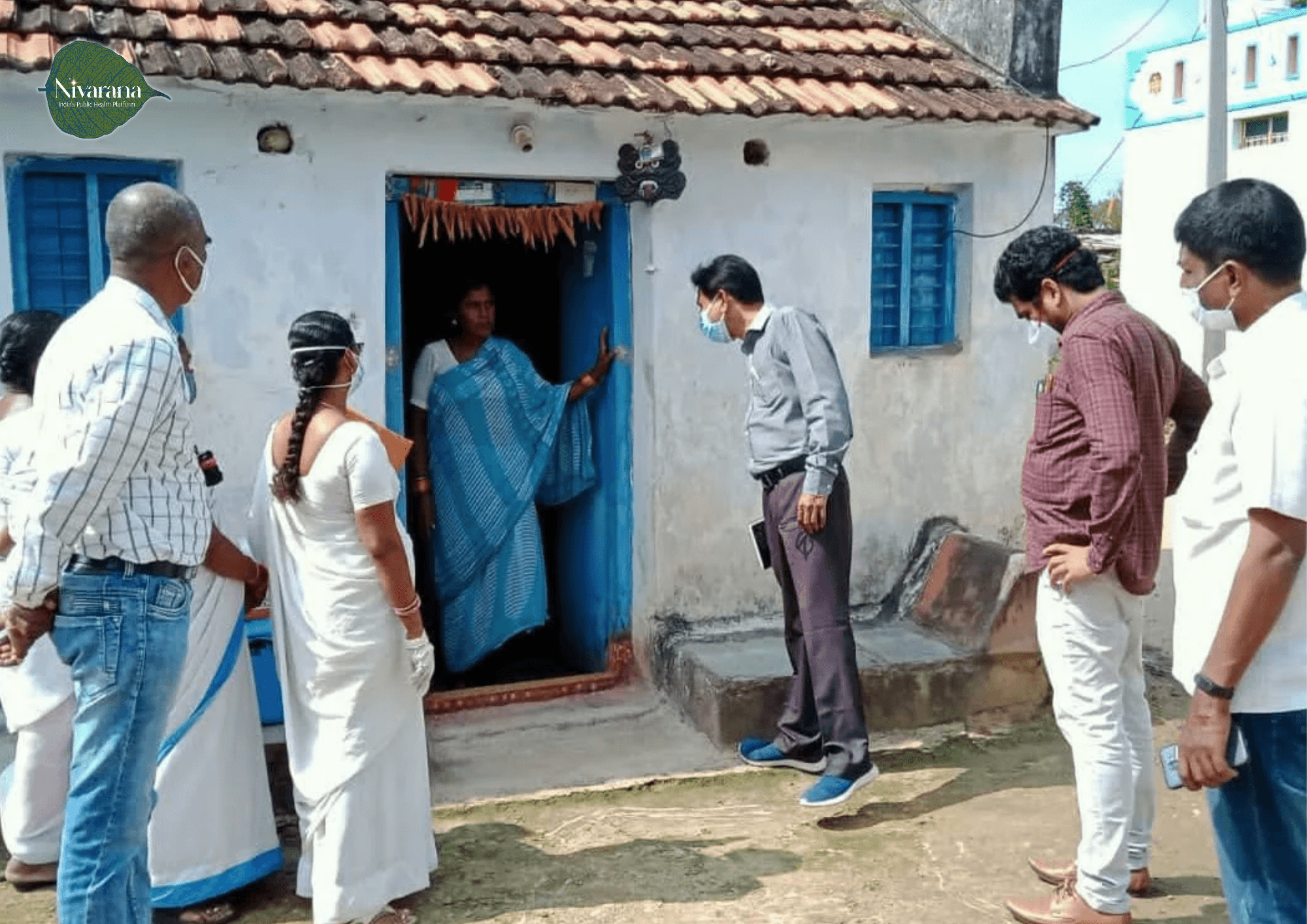
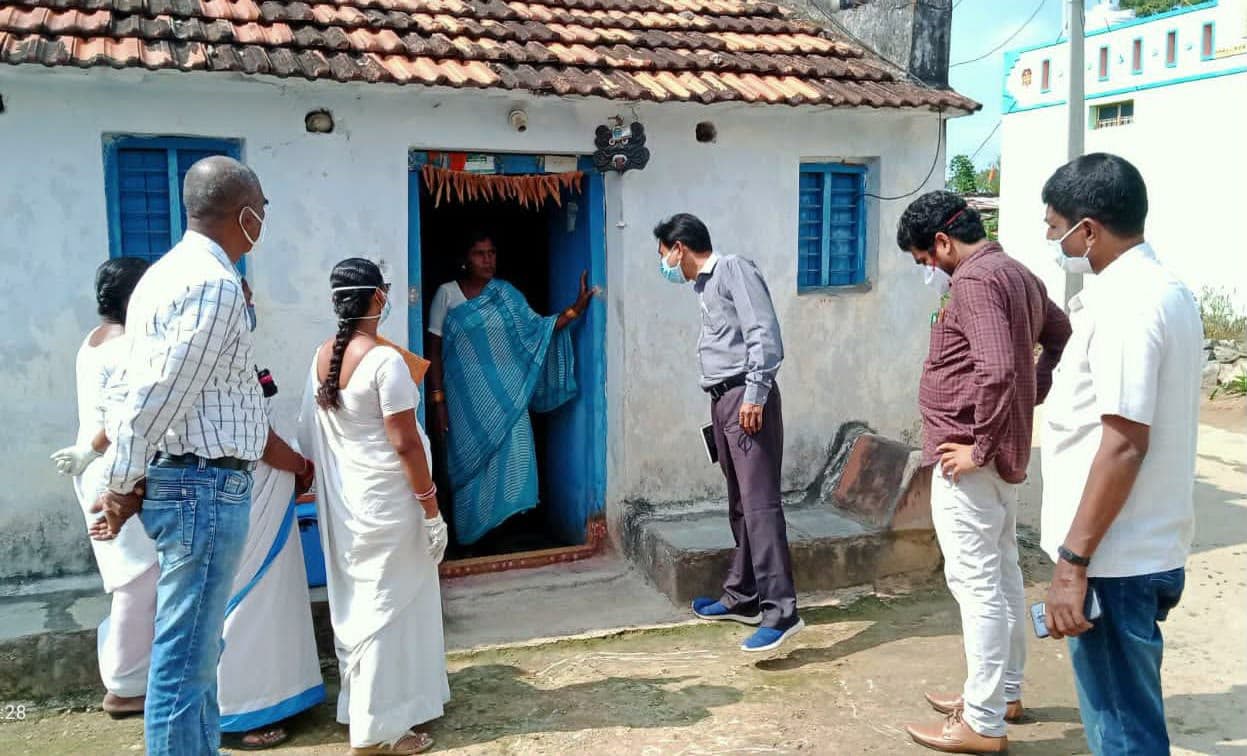
(Community health workers conduct outreach during the COVID-19 pandemic in Katihar, Bihar.)
India’s public health system was not in its best shape when the pandemic began. Prior to the outbreak, many Primary Health Centres (PHCs) and Community Health Centres (CHCs) in the country already operated with severe resource constraints, limited staff, and infrastructure. Nishant described COVID-19 testing as one of the first challenges in Bihar, since it lacked adequate testing facilities such as Virus Research and Diagnostic Laboratory (VRDL). The swab samples had to be sent to Kolkata for processing, which was already receiving samples from other states such as Jharkhand, Odisha, Sikkim and parts of the North-east. The results therefore could take up to fifteen days to return. Such delays compromised the basics of pandemic response and made it difficult to identify COVID-19 positive cases and track transmission.
Nishant also mentioned that the district-level communicable disease surveillance machinery was not fully functional during the early stages of the pandemic. As cases increased, doctors and health workers had to be trained in swab collection procedures. Frontline workers were supplied with masks, gloves, registers, and training, although access to these resources was uneven. Dharamshila Devi recalled that she would occasionally arrange masks and gloves by herself.
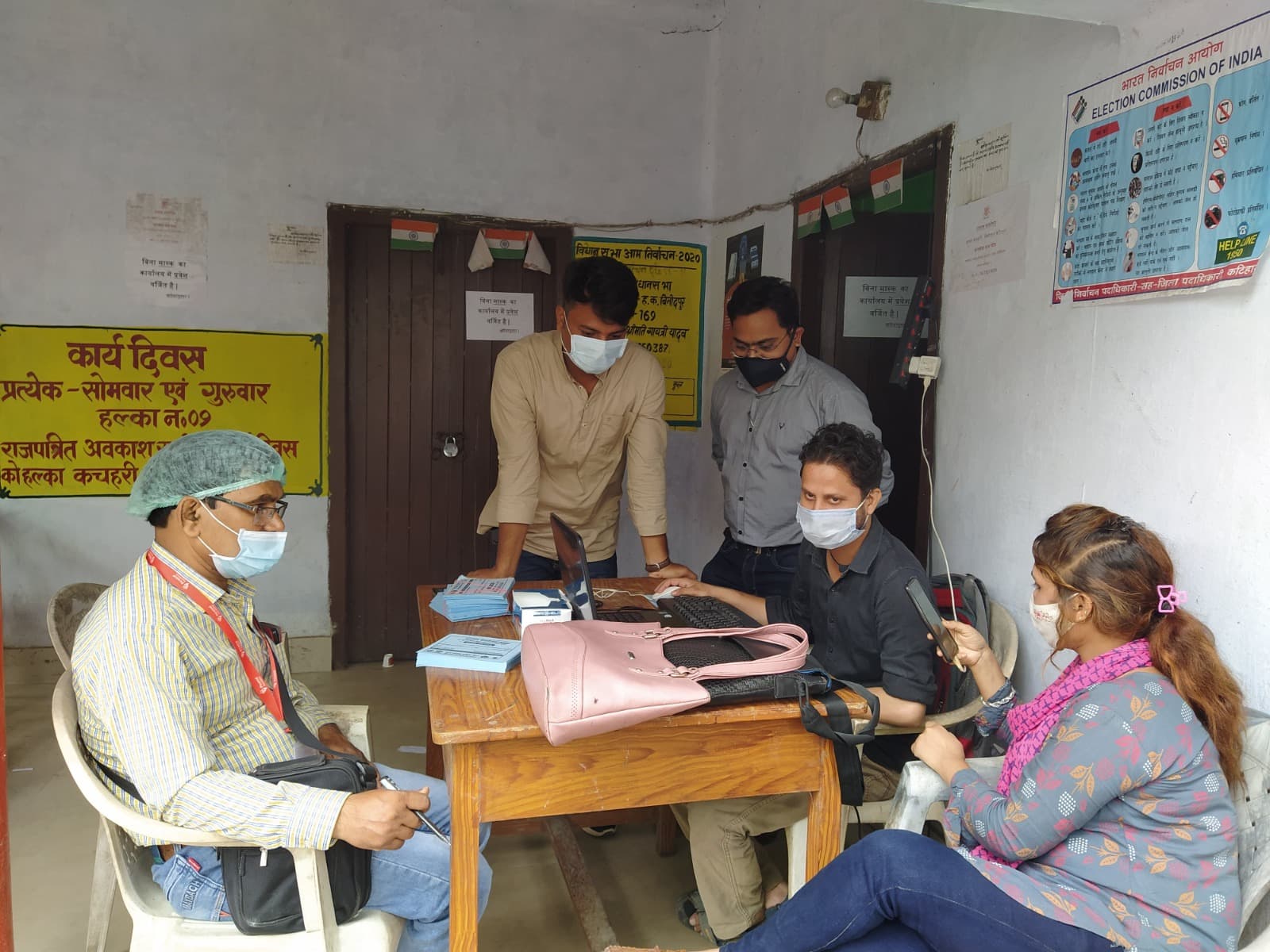
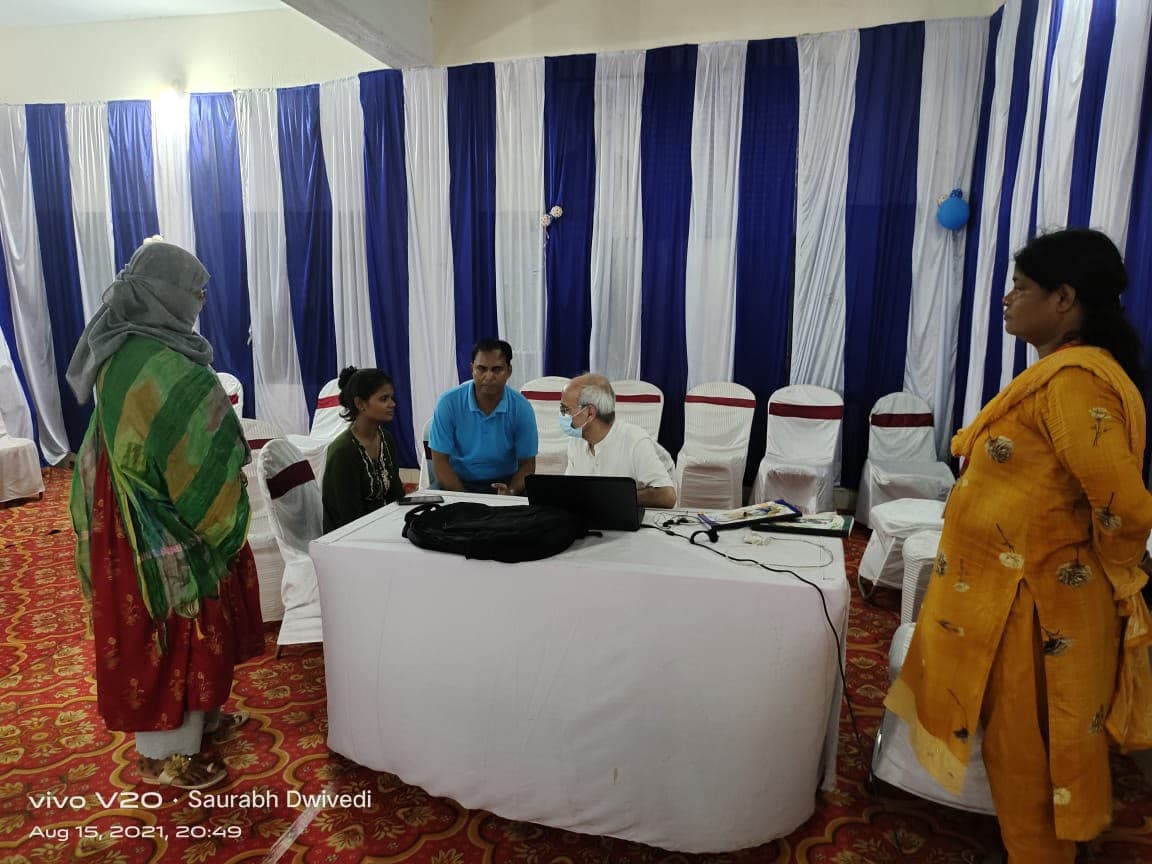
(A data entry operator records antigen test information before samples are sent for laboratory testing in Katihar, Bihar.)
The announcement of a nationwide lockdown forced around 15.3 lakh migrant workers to return to Bihar from other states. Schools, hostels, and other public buildings were converted into quarantine centres to house them. These facilities became overcrowded and Nishant mentioned how several migrant workers would leave at night despite restrictions, and return in the morning before the staff could notice.
Anil Karn worked on COVID-19 testing and immunisation efforts through CARE India. According to him, the response depended on coordination between government departments and non-governmental organisations. CARE teams helped address gaps in service delivery by collecting household information, organising testing, and vaccination camps. Even household surveys occasionally generated suspicion among residents. People questioned why field workers needed details about how many family members lived in a house, how many rooms they shared, or where they slept. Some feared that the information was being collected for nefarious purposes and not for public health reasons.
Thus, many of the systems that later became central to the response were still being put in place. The crisis demanded rapid mobilisation, much of which rested on partnerships, temporary arrangements, and personnel working beyond their usual responsibilities. The response that people later judged as a “success” was not a finished system. It was something that had been improvised and built under pressure during the first wave.
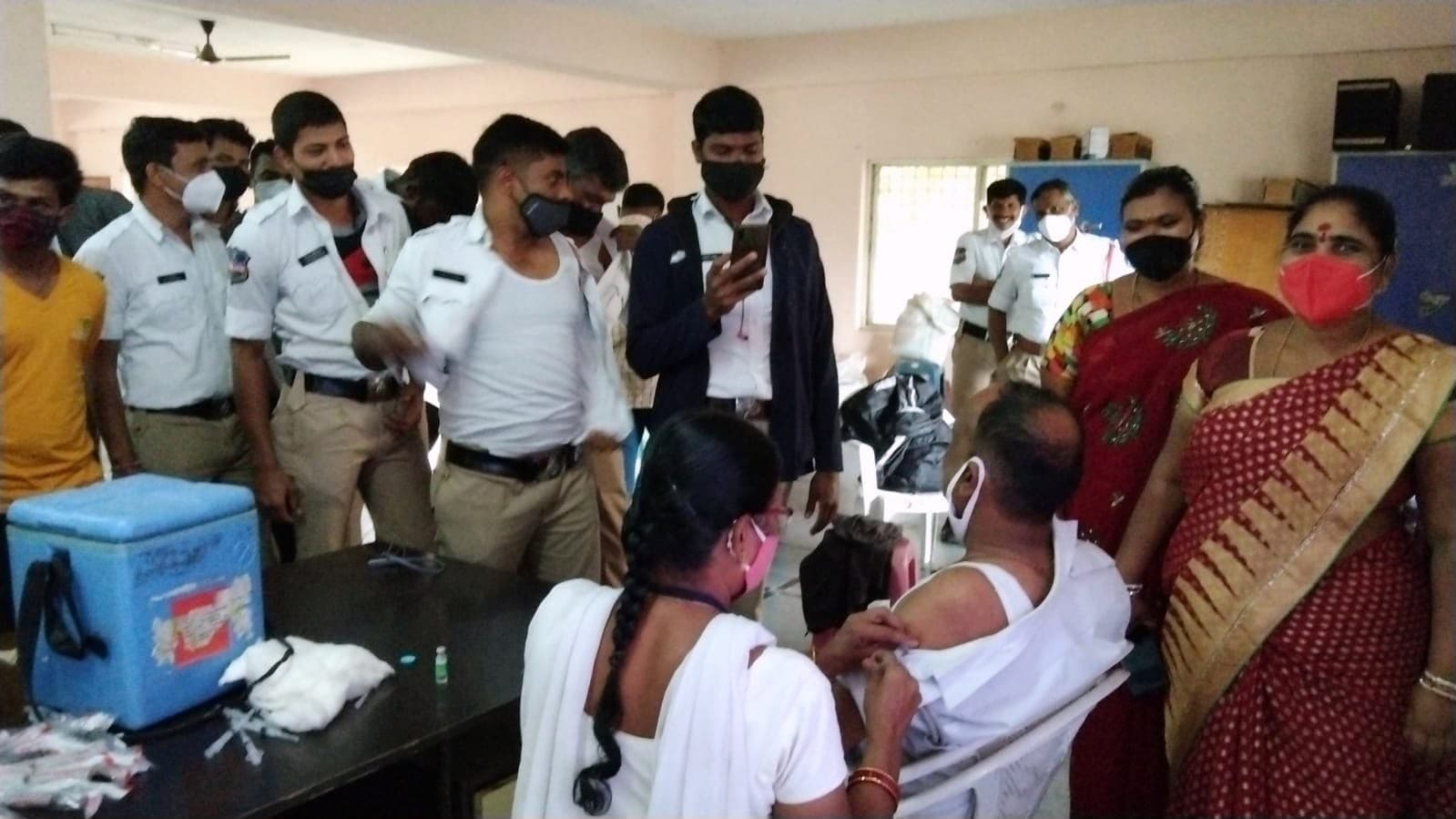
(A COVID-19 vaccination camp for defence personnel in Katihar, Bihar.)
The Second Wave
The second wave tested the response that had been built during the previous year. Nishant remembered how difficult it became to find beds as cases surged, and many people. Many doctors, health workers, and frontline staff he worked with contracted COVID-19, and most did not survive. The shortage was severe enough that, at one point, ambulances carrying COVID-19 patients were being turned away from hospitals because there were no beds available. Nishant said that CARE helped set up close to 100 beds for COVID patients at Patliputra Indoor Stadium in Patna.
Oxygen was another problem hospitals had to contend with: before a new central allocation, Bihar was receiving 69.65 MT of liquid medical oxygen a day from outside the state, in addition to the 33.81 MT generated within the state. Over and above the shortage of equipment, was a skill issue. A May 2021 Scroll investigation found that 25 of 33 district hospitals in Bihar that had confirmed receiving ventilators were still unable to operate them due to lack of doctors or trained technicians. Meanwhile around 500 doctors, nurses, lab technicians and other health workers in Bihar had contracted COVID-19 over a two-week period by April 2021, including 248 staff members at AIIMS Patna.
The second wave exposed how thin the system's capacity really was. It had been built quickly, but not necessarily built to withstand a surge of this scale.
What Remains
The experiences of the pandemic left some lasting changes behind. Nishant highlighted the improvements in medical oxygen infrastructure across parts of Bihar. The severe shortages in oxygen cylinders during the pandemic led many hospitals to install centralised oxygen supply systems, which reduced their dependence on cylinders.
Everyday healthcare also improved; handwashing became more routine, PPE was regular to communicable disease response, and stricter hygiene protocols continued even after the emergency had passed. He discussed how staffing also had improved in some facilities, especially among nurses, and felt that hospitals were now better placed to respond to future outbreaks than they were before COVID-19. Staffing gaps, however, remain in parts of the health system. A Comptroller and Auditor General Audit of 2024 found shortages of doctors, nurses and paramedical staff against prescribed standards across Bihar's district hospitals.
Dharamshila Devi highlighted changes that were less tangible. Rumours that COVID-19 vaccines cause infertility and illness circulated widely. Anil Karn recalled that convincing people to get vaccinated was most challenging, as he put it, "you could not force people." Some of those concerns have endured. "People still say all kinds of things," Dharamshila Devi remarked. Even today, some residents continue to blame heart-related illnesses and deaths on COVID-19 vaccines, making health outreach more difficult long after the peak of the pandemic.
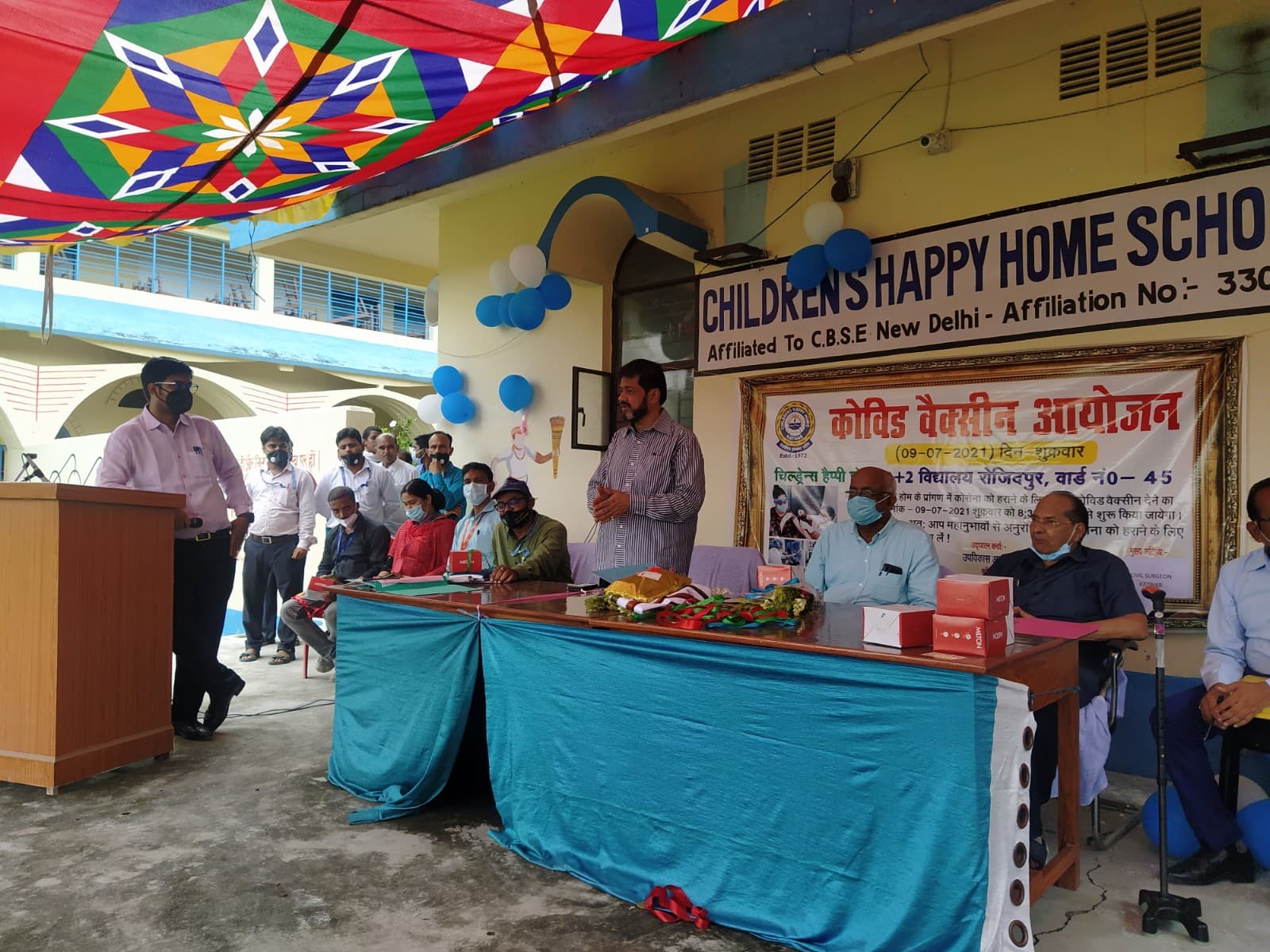
(A COVID-19 vaccination camp organised at a school in Katihar, Bihar.)
( A separate vaccination counter for elderly residents at a COVID-19 vaccination camp in Katihar, Bihar.)
Dharamshila Devi also raised the issue of incentives. During the pandemic, ASHA workers were widely praised for their role in tackling the pandemic. In 2022, the World Health Organization recognised India's ASHA network for its contribution to public health and awarded the ‘Global Health Leaders Award’. However, this recognition does not always mean adequate compensation. As Dharamshila Devi put it, "If we were paid properly, the work would feel better."
Anil Karn was concerned about sustainability. Organisations such as CARE, United Nations Children's Fund (UNICEF), and the Hindustan Latex Family Planning Promotion Trust (HLFPPT) had already been active within Bihar's health sector before the pandemic, but COVID-19 expanded their role significantly. "In many places, the administration itself depended on these organisations," he said. However, as external organisations reduced their involvement, he felt that awareness campaigns and field-level monitoring also weakened. "If no organisation is working, the quality of monitoring falls," he observed.
After Victory
When asked how they viewed the pandemic response today, both Suman Kumari and Dharmashila Devi said that overall it had been handled well.
Interestingly, neither of them ignored the difficulties of the period. They spoke about fear, suspicion, shortages, and the intense workload they had been entrusted with. Nevertheless, these experiences did not lead them to describe the response as a failure. That the systems adapted, vaccines arrived, and everyday life eventually resumed mattered. Their perspective then becomes an example of a different way of thinking about success during a crisis — a system that continued to function under extraordinary pressures.
Given the severity of the second wave, it can be safely argued that the confidence of early 2021 was largely divorced from ground realities. So what exactly did victory mean during the pandemic?
For governments, the metrics for victory range from declining case numbers, to vaccination coverage statistics, testing capacities, and mortality rates. While incredibly telling, these do not always reflect the everyday labour that leads to such results. People working closer to the field help us understand how policy translates into practice: ASHAs’ visits, health workers learning new procedures, officials managing quarantine centres, civil society organisations stepping into roles that the state could not always fulfil on its own. They also capture the effort required to earn trust during a public health emergency. Allaying fears, correcting rumours, and securing public cooperation became as important as testing kits, quarantine centres, and vaccination targets.
India's COVID-19 response demonstrated an extraordinary capacity to mobilise during a crisis. The first wave showed how much of the response had to be built in real time; the second wave showed what happened when that response was tested at a much larger scale. However, it should be noted that while mobilisation can be assembled quickly when circumstances demand it, preparedness is tested long after the immediate crisis has passed.
The bigger question, then, is what remains after the emergency passes. The legacy of the pandemic is beyond how effectively it was managed. It is important that the systems, relationships, and capacities built during those years be sustained for everyday healthcare, even after the urgency has ended. Because whether those gains survive beyond the pandemic may matter as much as the response itself.