Sangita*, a 28 year old mother of three children, was referred to our hospital from a rural primary health center 60 kilometers away. This was her first visit to our hospital. In the eighth month of her fourth pregnancy, in the hopes of bearing a male child this time, she was now carrying twins.
For the past few weeks, Sangita had been experiencing immense fatigue and was reduced to lying in bed on most days. “Doctor, I feel extremely weak. Simple tasks, which I used to comfortably do previously, now make me breathless and give me palpitations,” Sangita told the examining physician.
She looked white as a sheet. The doctor ran a few tests to ascertain the cause of her symptoms and found her to have a hemoglobin of just 6 g/dl (normal for pregnant women- >11g/dl). She soon gave birth to twins who were premature and weighed just 1 kg each, much lower than the expected normal of 2.5 kg. Despite being admitted to the neonatal intensive care unit for a month, only one of them survived.
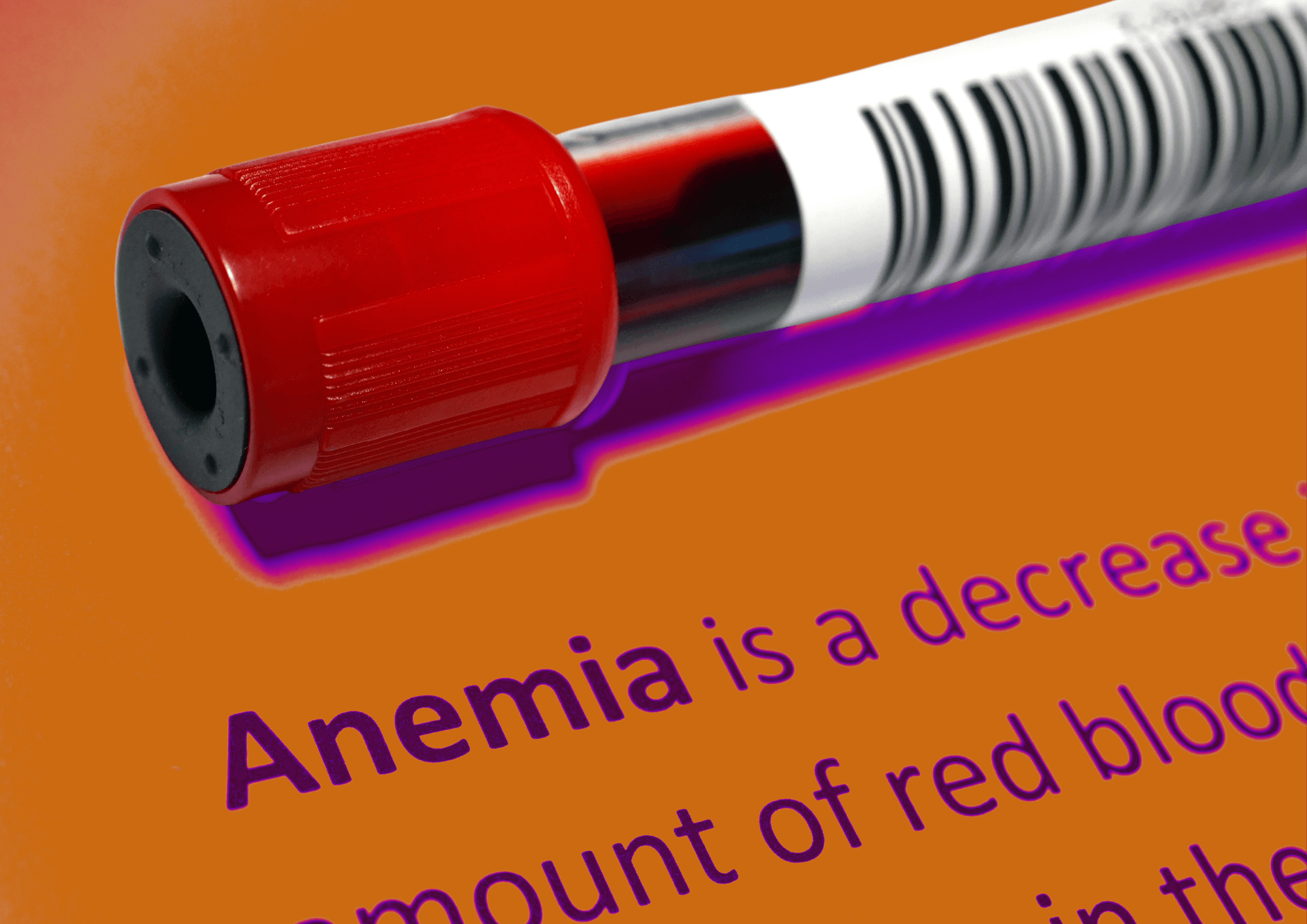
Anemia is a condition in which the body lacks enough healthy red blood cells to carry oxygen to the body tissues. Hemoglobin, a protein in the red blood cells, performs this vital function of delivering oxygen. Women need 11g/dl or more of hemoglobin to function well and a level less than this is seen in anemia.
Anemia can be caused by blood loss as seen in hookworm infection or heavy menstrual bleeding in females. Decreased blood production due to nutritional deficiencies of iron, folic acid, and/or vitamin B12 among other micronutrients, and disorders of the red blood cells or hemoglobin can also lead to anemia. Multiple pregnancies and poor spacing between childbirths worsen the underlying nutritional deficiencies in women leading to anemia.
This situation is of grave importance as most of these women fall in the childbearing age group. Globally, nearly one in every three pregnant women is anemic. In India, however, nearly one in every two women is anemic, with more of them in rural areas. These numbers are undeniably massive, considering that 70% of our population resides in rural India.
As iron is the most important part of hemoglobin, iron deficiency is one of the leading causes of anemia among females around the world. Nearly 30-40% of all anemias are due to iron deficiency while the remaining are due to other reasons previously mentioned.
Why are pregnant mothers more prone to developing anemia?
Pregnant and lactating mothers have an increased iron demand, to support their growing child. Low iron levels lead to anemia in the mother which further leads to anemia in the unborn child. This has a profound effect on the child’s growth and development. The daily requirement of iron in pregnant women by , from 1.5 mg/day in non-pregnant women to 45 mg/day in pregnant and lactating women.