A review of how Maharashtra’s draft Clinical Establishments Bill, 2026 signals a rollback of hard-won patient protections on affordability, dignity, accountability and equitable access to care.


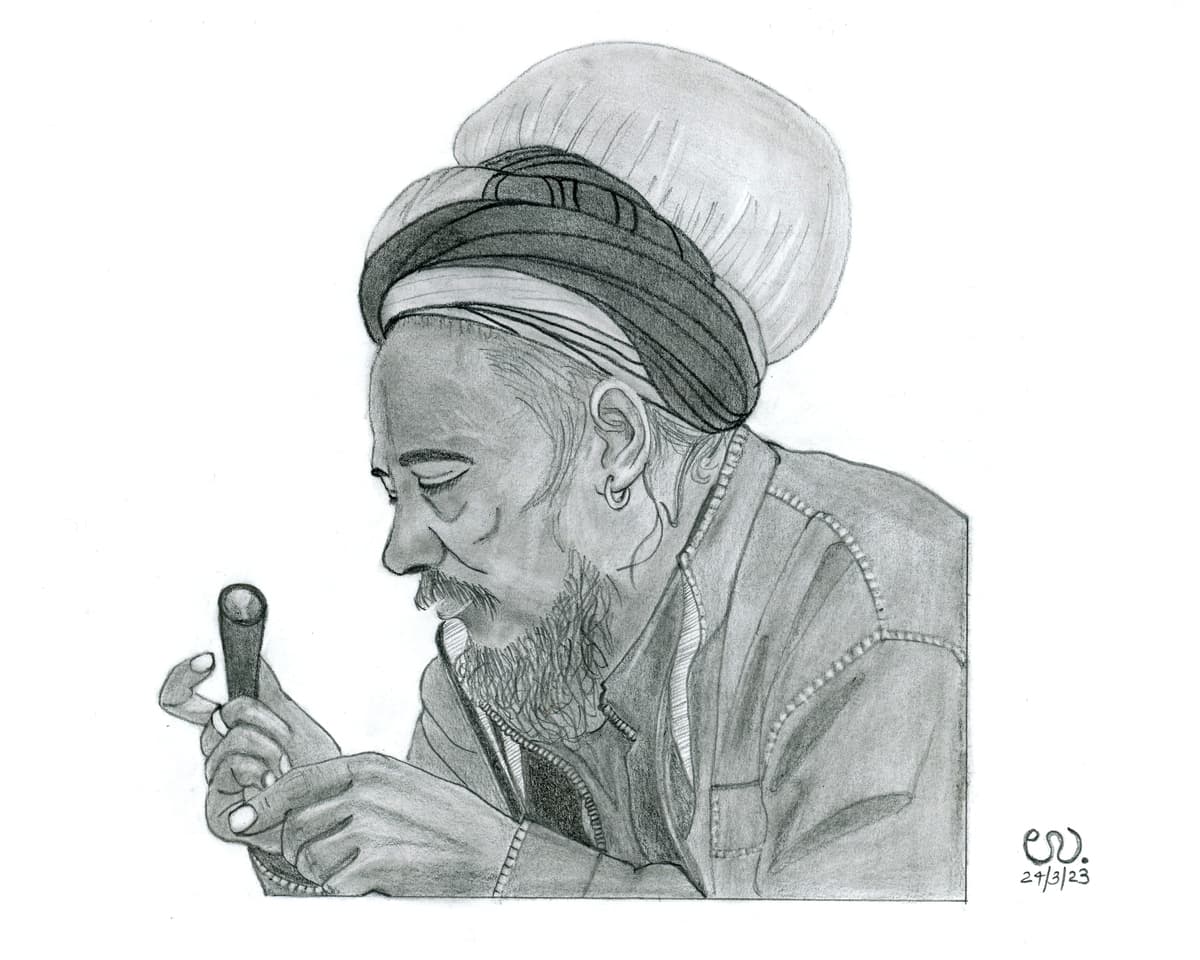
India talks about healthcare access as the fight to keep people alive, but forgets what happens when that fight ends. For patients at the end of life, even basic pain relief can become a journey through pharmacies, hospitals and paperwork. Dignity in dying should be part of what healthcare access means.

An on-ground account from Nazira, where surviving a flood means more than food, water and shelter—it means restoring dignity, reducing suffering, and making tomorrow feel possible.
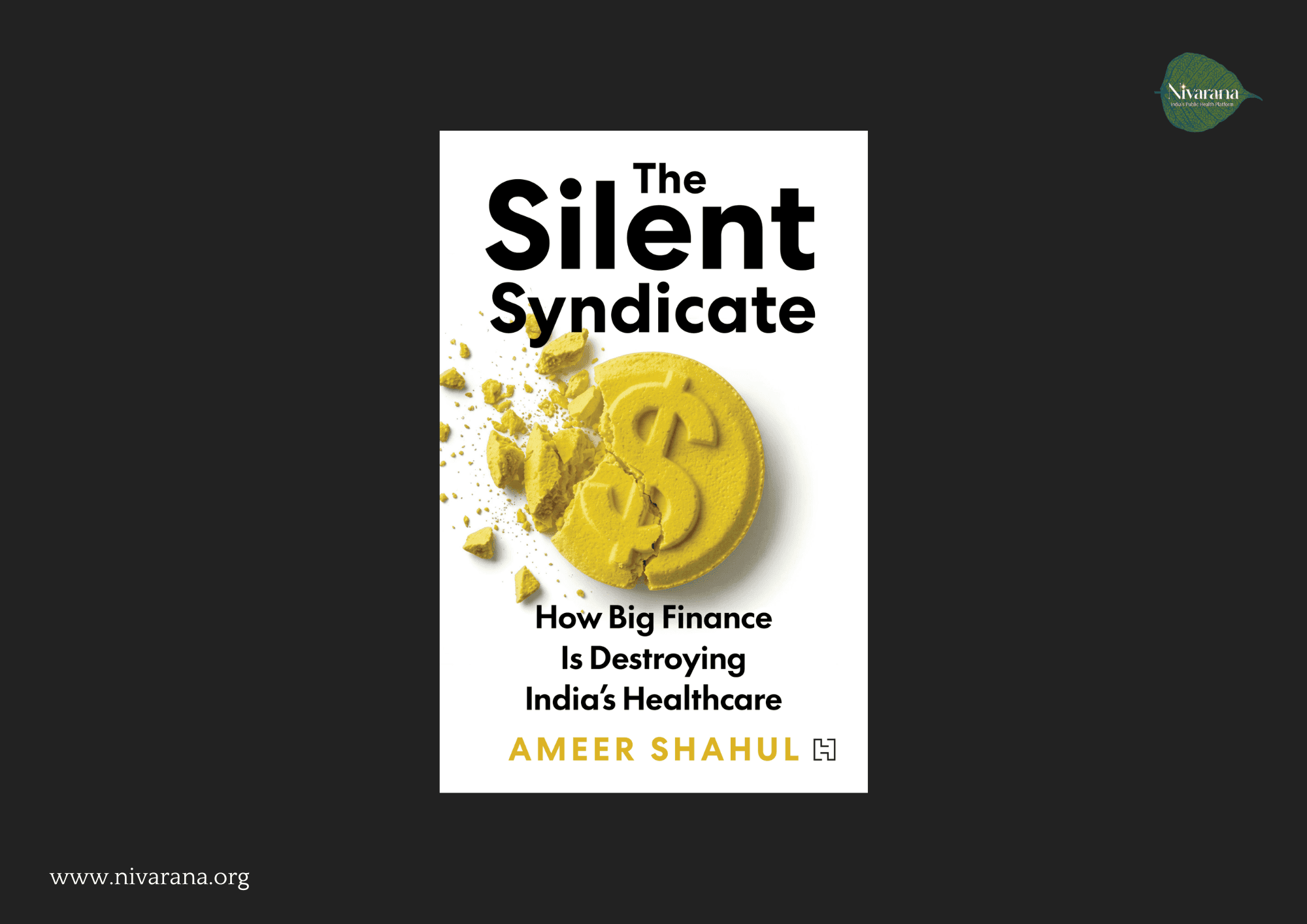
From hospitals to health insurance, The Silent Syndicate reveals how foreign investment has transformed India's healthcare landscape. Here is why the book deserves a place on every public health professional's reading list.

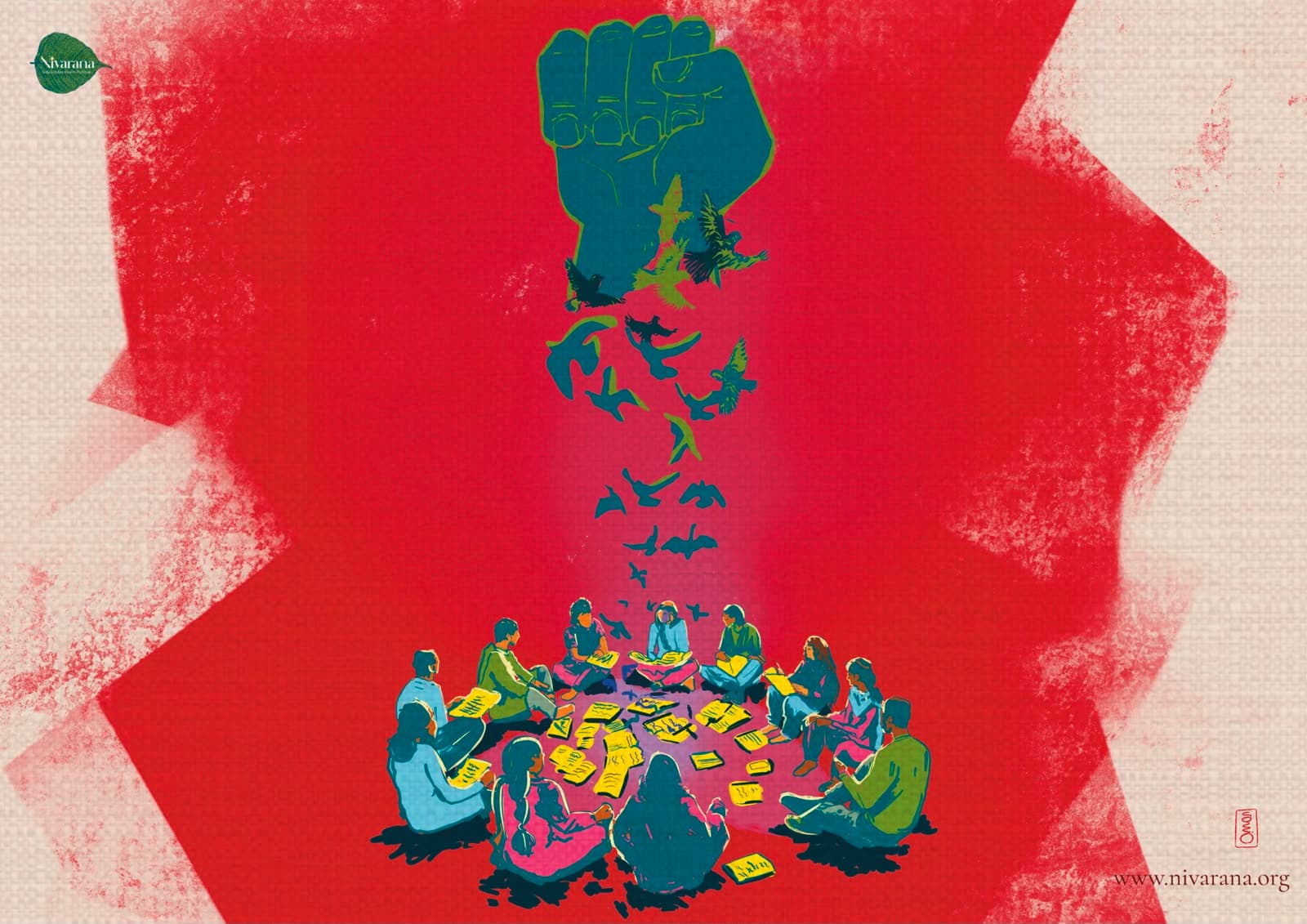
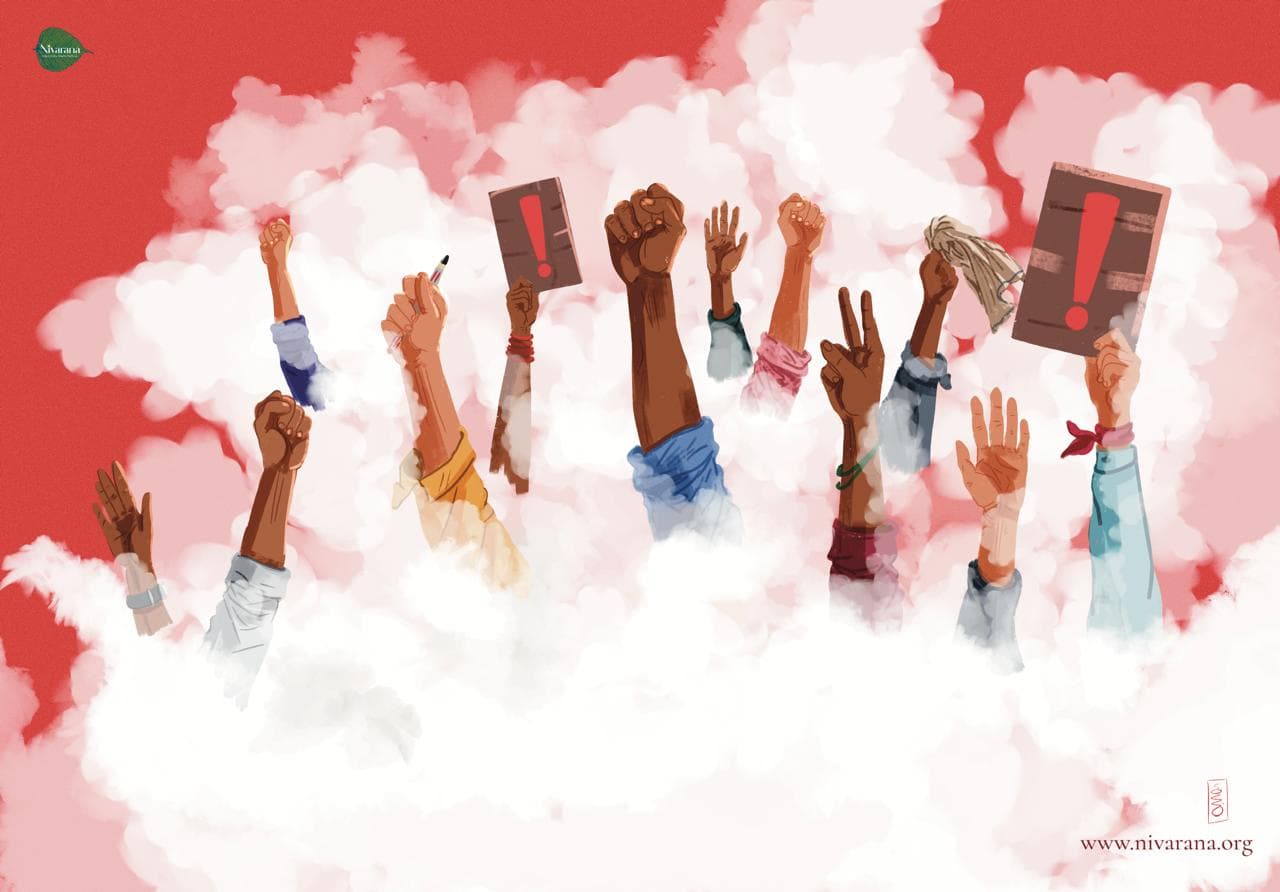
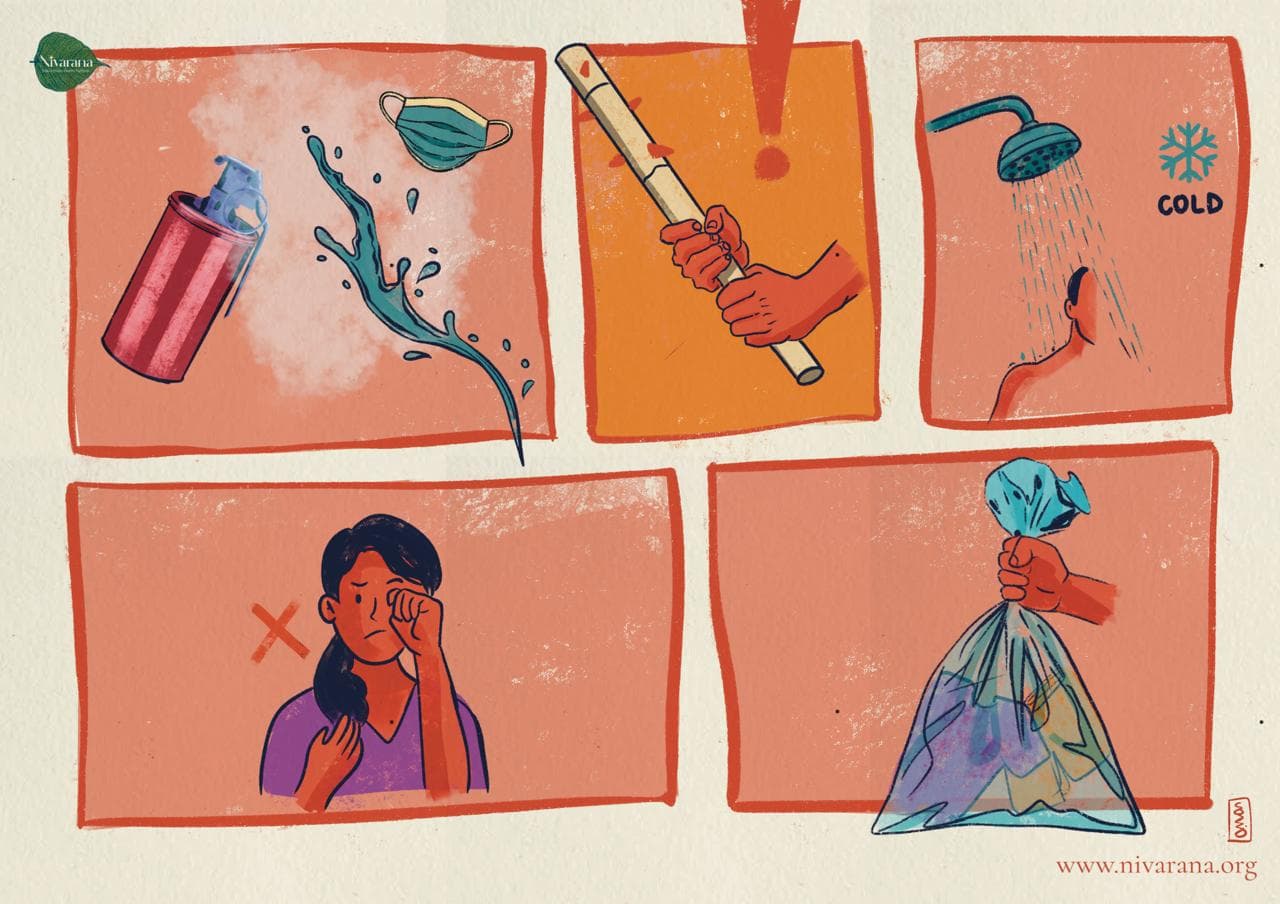
Can we ever truly be apolitical? A reflection on solidarity, student protests, and why every choice to act, or remain silent, is inevitably political.

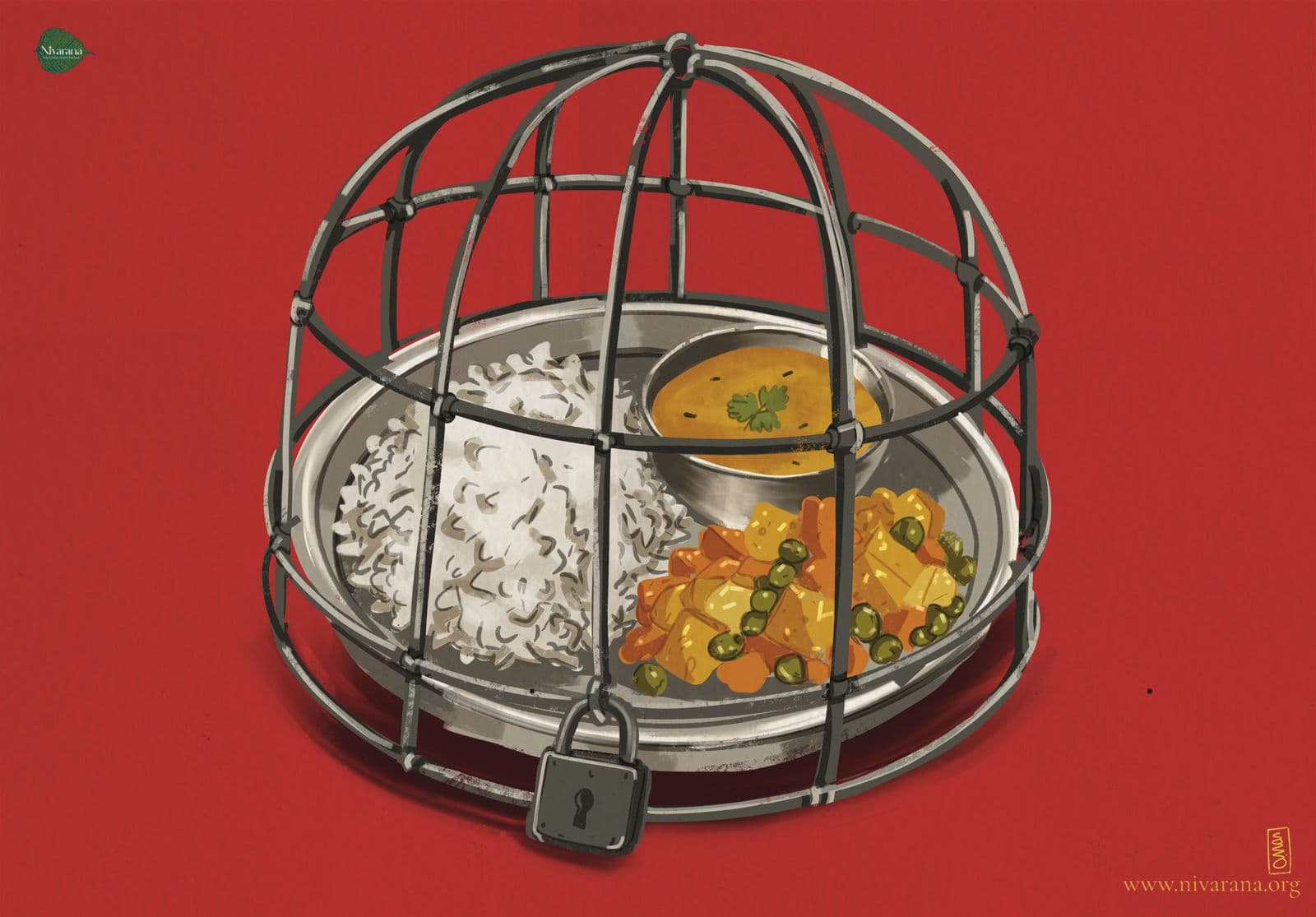
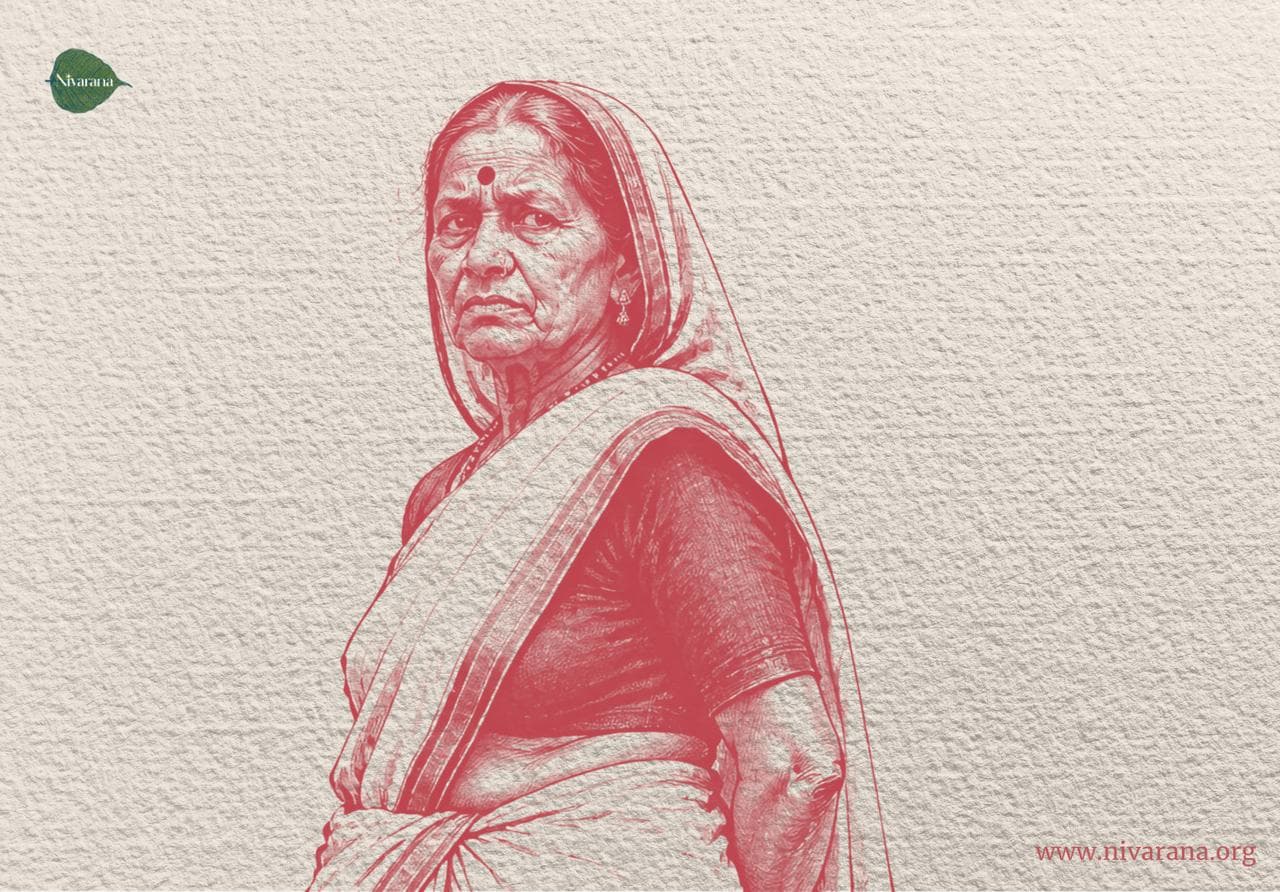
The Multidimensional Poverty Index misses the reality of everyday hardship. Homes, water, schools, and healthcare may exist on paper but broken systems, debt, and poor quality leave families struggling unseen. See what the data hides
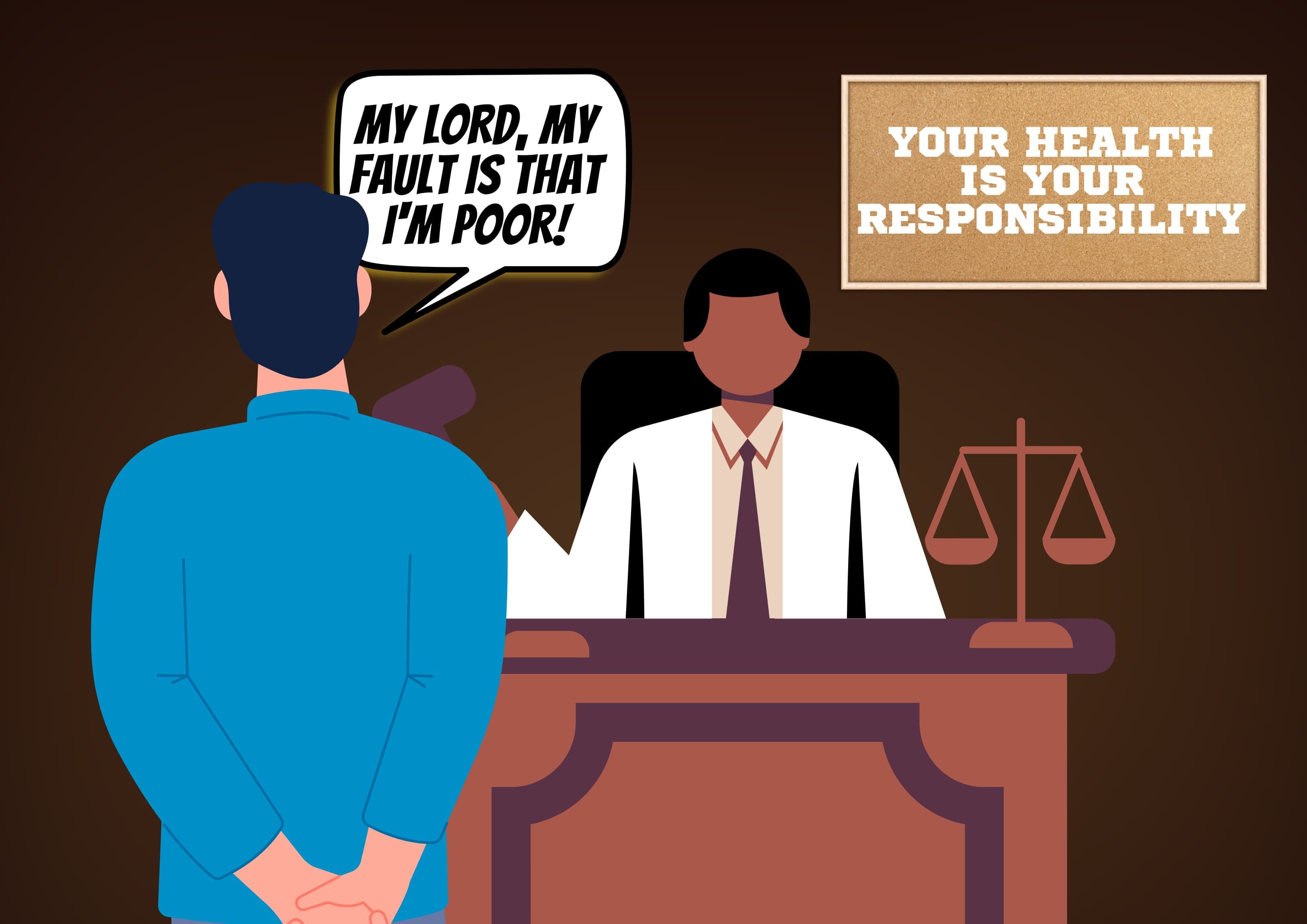
Blaming patients for getting cancer when the government sells tobacco and the health system fails them everyday is unfair.